
Things to Do in Uluwatu: Temples, Beaches and a 2-Day Plan
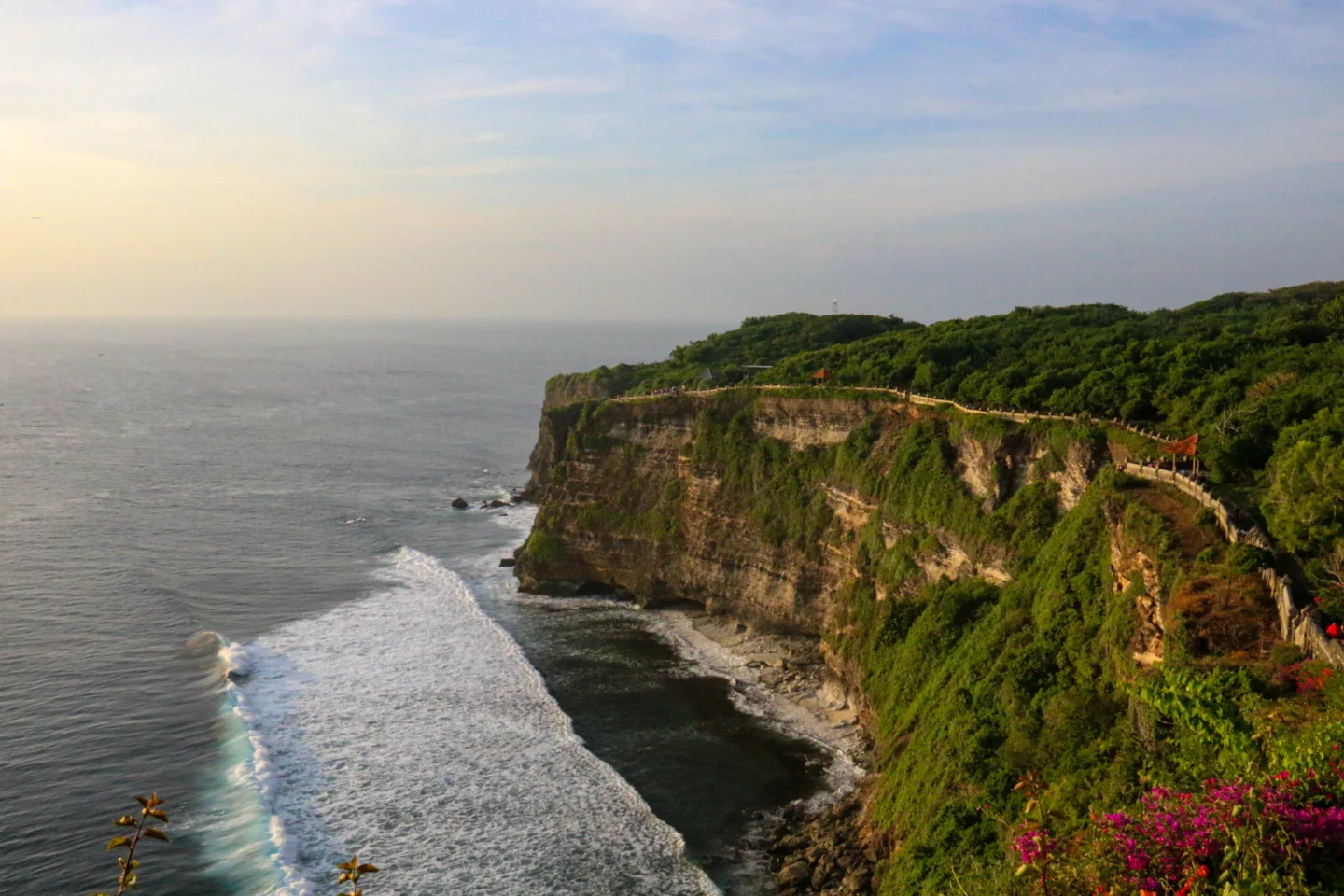
The best things to do in Uluwatu combine a coastal stop with time for its temple and evening Kecak performance. Choose one main beach, leave room for lunch and transport, and keep sunset for a single location. Trying to fit every cove and beach club into one day usually turns the visit into a sequence of transfers.
For a first visit: use one day for Padang Padang or the Suluban area followed by Uluwatu Temple and, if booked, the Kecak dance. On a second day, choose Melasti and a relaxed coastal afternoon, or replace part of that day with GWK Cultural Park. These are suggested combinations, not a requirement to book every activity.
This guide uses “Uluwatu” in the wider travel-planning sense: Pecatu and nearby parts of the Bukit Peninsula in southern Bali. Melasti, in Ungasan, and GWK are separate stops rather than places beside the temple entrance. For the full island route, see our 10-day Bali itinerary.
Choose your Uluwatu activities at a glance
| Activity | Planning allowance | Main decision |
|---|---|---|
| Uluwatu Temple | About 1–1½ hours for a visit | Add time for entry, crowds and the cliff paths |
| Kecak dance | Keep the evening free | Separate performance ticket and confirmed show time |
| Padang Padang | 1½–3 hours | Stairs and a narrow rock passage |
| Suluban area | 1–2 hours | Surf views or shore access; conditions differ |
| Melasti | Half a day with lunch | Public beach visit or a booked beach club |
| GWK Cultural Park | Around 2–3 hours | Check entry, statue tour and performance inclusions |
Allowances above are editorial estimates, not opening hours or promised travel times. Choose activities around your accommodation and the conditions on the day. A temple visit plus one beach is enough for a first full day.
Visit Uluwatu Temple and plan the Kecak separately
1. Explore the visitor paths at Uluwatu Temple
Pura Luhur Uluwatu is a coastal temple in Pecatu, with visitor paths above the ocean. Its setting is the reason to allow time for the visit rather than arriving only for a photograph before the show. Stay within signed visitor areas, respect worship and closures, and keep away from cliff edges.
Wear modest clothing and follow the sarong and sash instructions at the entrance. Secure loose belongings around monkeys, keep food packed away and seek staff help if an animal takes something. Avoid approaching or feeding them for a photograph. Carry water and use footwear suitable for steps and uneven surfaces.
The national tourism board’s Uluwatu guide lists visitor hours of 07:00–19:00 WITA. Arrangements can change for ceremonies or local operations. Published admission figures differ between sources checked for this guide, so confirm the current visitor category and charge at the authorized ticket point instead of relying on an old blog price.
2. Watch the Kecak performance, if it fits your evening
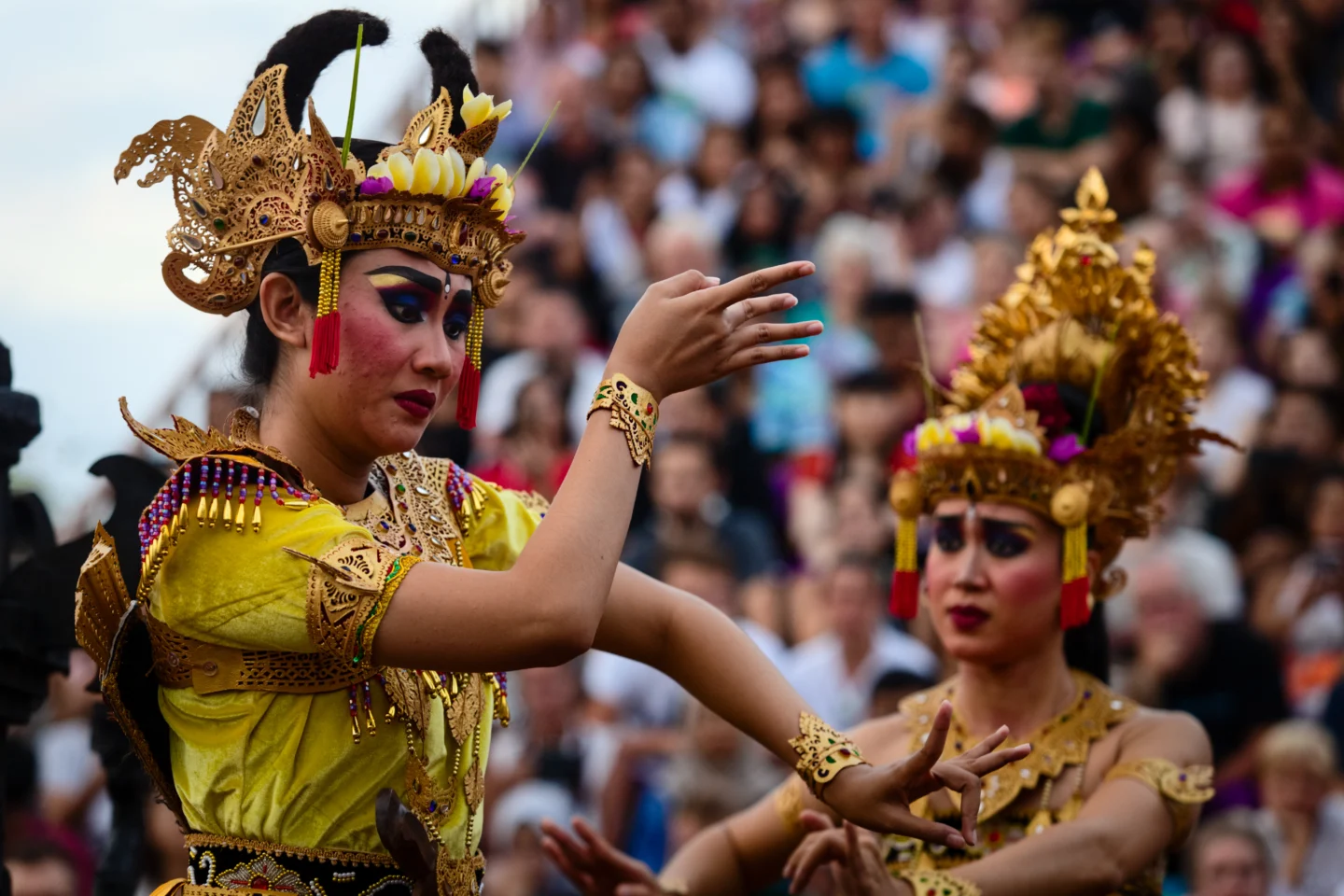
The Kecak performance is a separate decision from temple entry. Check the exact venue: a ticket mentioning Kecak elsewhere in Bali does not reserve a seat at Uluwatu. Confirm the date, session, exchange instructions and whether your booking includes temple admission or transport.
The Kecak information page linked by Indonesia Travel describes an evening performance beginning at 18:00. Use your confirmed ticket instructions for the actual session and arrival time. A later performance, if offered, should not be assumed to have the same sunset setting.
Keep the late afternoon flexible for the temple visit, ticket collection and seating. Do not plan to arrive at the show’s start time after a distant beach stop. Arrange the return pickup before entering and allow time to meet the driver after the audience leaves. Cloud and rain can change the atmosphere; sunset colour is never guaranteed.
Booking option: Check Uluwatu Kecak ticket availability on Klook. Select your date and session, then check temple admission, transport, ticket exchange and cancellation terms for the package you choose.
Choose a beach, watch the surf and leave time for a meal
3. Spend part of the day at Padang Padang
Padang Padang is a compact cove in Pecatu, reached by steps and a narrow passage through rock. Choose it if that access suits your group and you want a beach stop before the temple. Travel light enough to manage the descent and save energy for the climb back.
A surf reputation and appealing beach photographs do not establish safe swimming conditions. Follow flags, staff advice and current access rules. For a comparison with other coastlines, our Bali beaches guide explains the different access and activity choices; this article focuses on fitting a stop into an Uluwatu day.
4. Watch the surf around Suluban
The Suluban area is another choice for the western Pecatu coast. Indonesia Travel describes Suluban’s surf setting. Decide whether you want a view from an operating venue above the shore or a descent to the beach: these involve different access and effort.
Tides, swell and steps affect shore access. Do not enter narrow shoreline passages simply because someone else has done so, and turn back at closures. Watching experienced surfers from an appropriate viewpoint is an activity in itself. A board rental is not evidence that the break suits a beginner; discuss your ability and the exact location with a qualified instructor before booking a lesson.
5. Choose Melasti for a longer southern-coast stop
Melasti is in Ungasan on the southern Bukit coast, so treat it as a different outing from the western Pecatu beaches. Its road approach offers a different access experience from a narrow stairway cove. Confirm the actual beach entrance and pickup point with your driver.
Keep public beach access separate from a beach-club reservation. Parking, beach entry, a lounger and a food-and-drink minimum spend may be different charges. If you book a venue, read what the payment covers and how long the reservation lasts. A nearby pool or a meal can still make the day worthwhile if sea conditions do not suit swimming.
6. Plan a coastal meal or sunset stop
Choose a restaurant or beach venue near the day’s main stop instead of crossing the peninsula for another sunset. The useful decision is whether you want a simple meal, a reserved table or several hours using paid facilities. Check the menu, booking terms and return pickup before committing.
On the temple-and-Kecak day, dinner is easiest as a flexible plan after the show. On the second day, a coastal meal can be the main event. Keep a weather alternative and avoid promising a particular view from every table. This guide does not claim to have personally reviewed a venue.
7. Make GWK Cultural Park a deliberate alternative
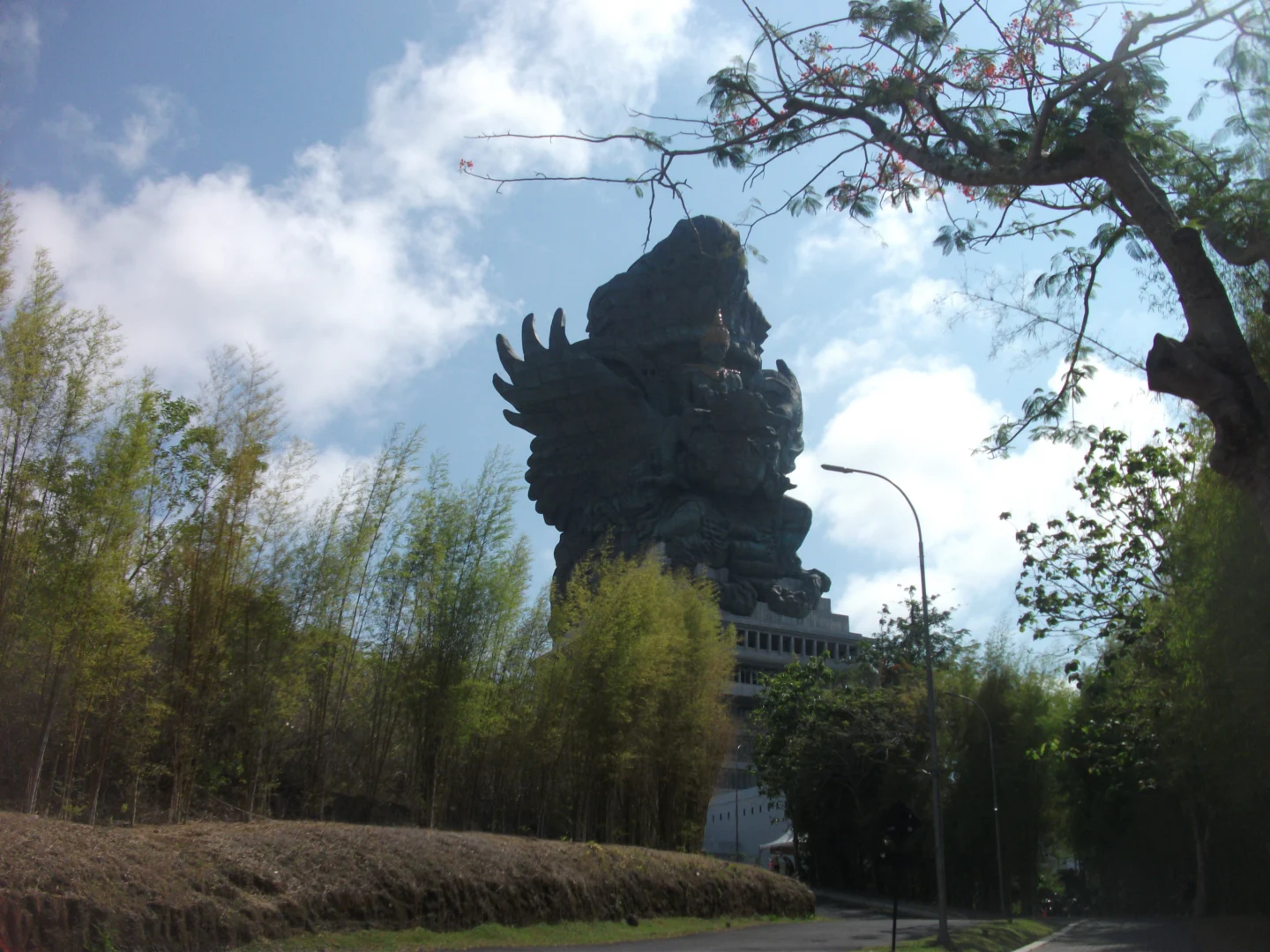
Garuda Wisnu Kencana Cultural Park, in Ungasan, adds a cultural-park visit to a trip otherwise centered on the coast. It is an open-air destination, so it should not be presented as a fully indoor rainy-day substitute. Allow around two to three hours depending on the activities selected, plus transfers.
The official GWK ticket page distinguishes regular entry, entry with a statue tour, a BarAong performance ticket, a combined package and a buggy add-on. Compare the current packages directly; a photograph of the statue does not mean a regular ticket includes a tour inside it.
Use GWK instead of part of the second beach day if the park interests you. Check the day’s performance schedule before setting an arrival time, and allow for sun, rain and walking. The park’s evening programme is a different booking from Uluwatu’s Kecak performance.
A practical two-day Uluwatu plan
| Day | Suggested plan | Keep flexible |
|---|---|---|
| Day 1: western Pecatu | Padang Padang OR Suluban area; lunch and a rest; Uluwatu Temple; Kecak if booked | Beach access and water conditions; dinner after the show |
| Day 2: southern coast | Melasti and lunch; a relaxed coastal afternoon | Replace part of the day with GWK if you prefer a cultural park |
This plan assumes two full sightseeing days while staying in the area. It does not assume an airport arrival and a long transfer fit into the first morning. If following our Bali itinerary, the Uluwatu stay comes after Sanur; treat the hotel-moving day separately before choosing what fits.
With only one day, choose a beach and the temple, adding the show only if you can keep the evening free. With three days, spread the same choices out or take a properly assessed surf lesson rather than adding activities simply to fill a list.
Transport and choosing your base
Choosing where to base your trip? Compare the areas, hotel locations and suggested night splits in our where to stay in Bali guide.
Pick accommodation using its exact location, not just an “Uluwatu” label. A stay near the activities you want reduces repeated road journeys, but it does not remove stairs to a beach. Ask the property about the walking route, road conditions and access after dark before assuming that nearby places are connected by an easy footpath.
You can follow this guide without riding a scooter. Arrange hotel transfers, a suitable taxi service or a driver using the actual entrances and pickup times. For a charter, agree the vehicle capacity, waiting time, route coverage, overtime, parking and any separate evening pickup. Do not assume an app-booked outbound ride guarantees an immediate return from every attraction.
For a multi-stop day, compare a private car with driver on Klook. Confirm that your route includes Uluwatu, the charter hours cover the show and return journey, and any overtime or additional charges are clear before booking.
Generic airport journey estimates are not a schedule for a beach-to-temple transfer. Traffic, the final approach and time spent finding the driver can change the day. If a show is booked, reduce earlier stops and leave a buffer rather than using every available minute.
Costs and what to book
Build your budget from separate items: transport and waiting, temple admission, an optional show ticket, beach access or parking, meals and any booked venue. GWK needs its own package decision. This makes comparisons clearer than using a single advertised tour price for a day with different inclusions.
Book timed activities first, then fit flexible beach visits around them. Before payment, check the exact date and venue, meeting point, cancellation and weather arrangements, and whether a reservation needs a separate exchange or collection step. Keep the confirmation available offline.
Frequently asked questions
Is Uluwatu worth visiting if you do not surf?
Yes, if you want the temple, a cultural performance, coastal scenery and time by the beach. You can watch the surf without entering the water. Travelers who prefer a compact town explored entirely on foot may find the dispersed stops less convenient.
How many days should you allow?
Two full days are a useful starting point for the combinations in this guide. One day can cover a beach and the temple; extra days allow a slower stay. Count sightseeing days separately from arrival, departure and hotel transfers.
Does temple entry include the Kecak dance?
Treat them as separate tickets unless your chosen package explicitly includes both. Check the performance venue and session, and do not confuse Uluwatu tickets with a show at GWK or elsewhere in Bali.
Can you swim at every Uluwatu beach?
No. Access, tides, swell and local restrictions vary. Follow flags and local advice and keep out when conditions are unsuitable. A surf beach or a beach-club reservation does not guarantee appropriate swimming conditions.
Planning information checked October 26, 2026 against tourism-board material and attraction ticket pages. Visit lengths and suggested combinations are JOURVERA’s editorial estimates, not firsthand reviews. Confirm current access, fees and operating arrangements before traveling.
Featured photo: Uluwatu coastal cliffs by Emma THERY, Wikimedia Commons, CC BY-SA 4.0. Resized and converted to WebP. Continue with our Ubud guide and Indonesia travel guides.