
Things to Do in Ubud: What to Visit, Travel Times and Costs
Featured photo: Philip Nalangan, Wikimedia Commons, CC BY 4.0. Resized and converted to WebP.
The best things to do in Ubud combine a walk through town with a few well-chosen outings into the surrounding countryside. Rice terraces, water temples and art museums offer different experiences, but they do not all belong on the same day’s checklist.
For a first visit: explore central Ubud, choose one rice-field outing and leave another half-day for a temple or cooking experience. Separate places you can visit on foot from those needing a driver. This guide explains what to combine, what costs extra and how to use one, two or three full days.
Visit lengths and road allowances below are planning estimates, measured from central Ubud where specified. They are not confirmed journey times. Admission information was checked on October 25, 2026; prices and access arrangements can change.
Choose your Ubud activities at a glance
| Activity | Time and planning |
|---|---|
| Sacred Monkey Forest Sanctuary | 1½–2 hours inside Whether you are comfortable around free-roaming macaques |
| Ubud Palace area and Art Market | 1½–2½ hours A central walk, with any performance booked separately |
| Campuhan Ridge Walk | 1–2 hours for a short out-and-back Choose a comfortable turning point and avoid midday heat |
| ARMA Museum | 1½–2 hours plus access An art-focused alternative to another temple |
| Tegallalang rice terraces | Half-day outing with transport and lunch Confirm the entrance, walking access and optional extras |
| Tirta Empul | 1–1½ hours on site, longer for an arranged ritual Distinguish sightseeing from participation in melukat |
| Goa Gajah | 1–1½ hours plus transport A separate archaeological visit outside town |
| Balinese cooking class | Usually a half-day block; check the provider Compare pickup, market visit, menu and dietary arrangements |
| Dance performance | One evening session Check the actual venue, programme and start time |
Pick two or three compatible activities rather than completing every row. A temple visit and rice terraces can share an outing north of town; a museum and a nearby lunch can make a slower afternoon. Retain time for traffic and a return to your accommodation.
Start with central Ubud
1. Visit the Sacred Monkey Forest Sanctuary
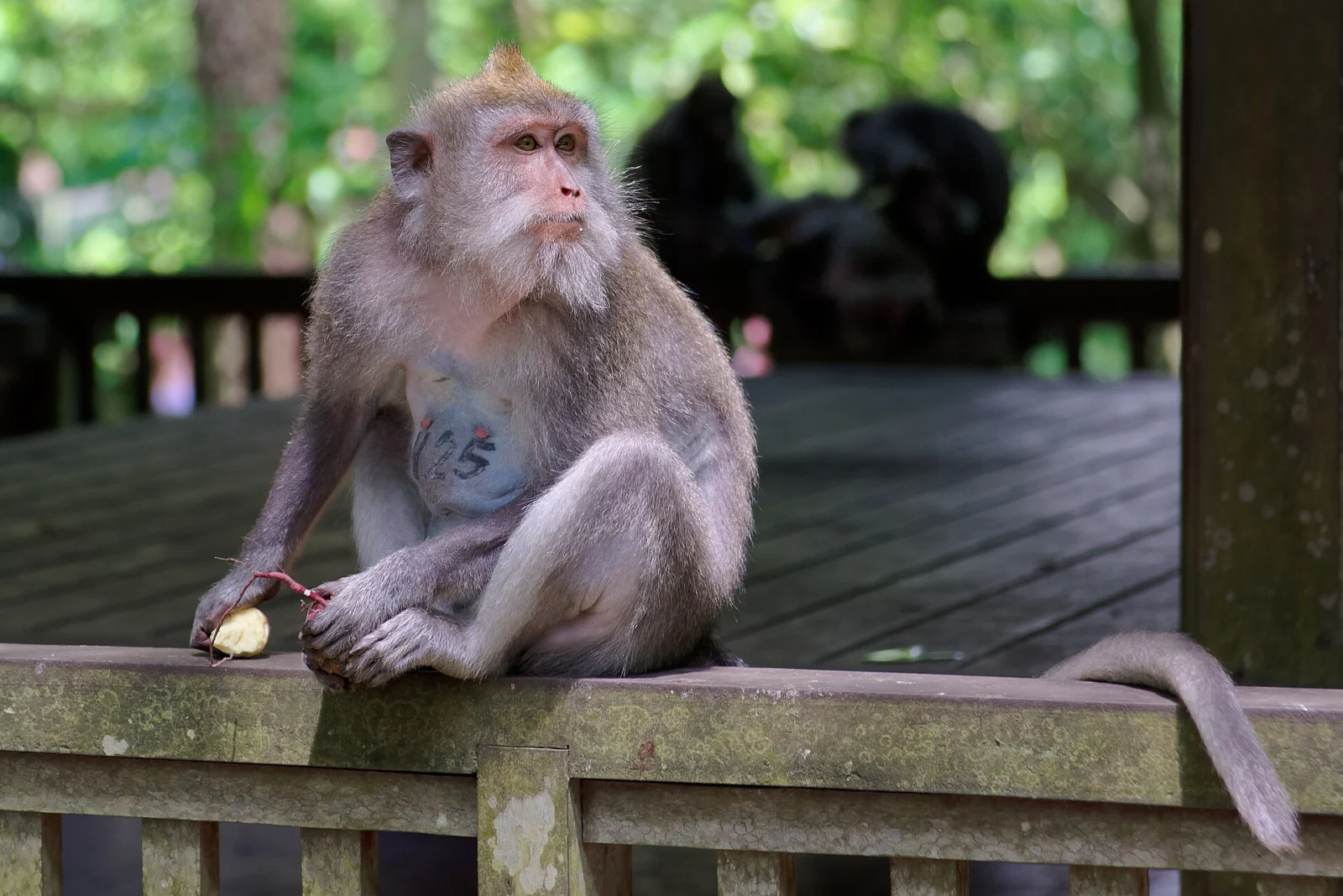
The Sacred Monkey Forest Sanctuary in Padangtegal combines shaded paths, carved stonework and sacred spaces with a population of free-roaming macaques. Choose it for the forest setting and observation, rather than expecting a controlled animal encounter. Some areas are reserved for religious use.
The sanctuary’s official visitor page lists daily opening from 9 a.m. to 6 p.m., with last entry at 5 p.m. Published admission is IDR 130,000 for adults and IDR 100,000 for children; confirm child eligibility directly. Allow approximately 1½–2 hours inside, with additional time to reach the entrance.
Follow the official sanctuary guidelines: do not feed or touch the monkeys, secure loose belongings and respect restricted areas. Keep children close and ask staff for help if an animal approaches. If you would find the macaques stressful, choose the art museum or a town walk instead.
2. Explore the palace area and Ubud Art Market
Use the Ubud Palace and Art Market area as the anchor for a central walk. Browse a few market lanes, pause for a drink and look at the palace areas open to visitors. Allow 1½–2½ hours including breaks. Shops and stalls have their own hours; do not expect every business to be trading at dawn.
Agree prices before buying, ask permission for close photographs and avoid blocking entrances. Leave the afternoon flexible for another nearby stop. A palace-area stroll, a ticketed evening performance and entry to another religious site are separate activities.
Do not confuse the landmarks: Ubud Water Palace, associated with Saraswati Temple and its lotus-pond setting, is distinct from Ubud Palace, also known as Puri Saren Agung. Follow the location attached to your ticket rather than relying on “the palace” as a pickup instruction.
3. Choose a Balinese dance performance
A dance performance can give your evening a focus after a slower afternoon. Choose the programme and venue first, then arrange dinner around the confirmed session. Ask about seating, arrival time, weather arrangements and cancellation conditions before paying.
The Ubud Water Palace website provides venue information and notes exceptions for Nyepi and private ceremonies. A daytime visit does not automatically include an evening show. Verify the dated programme rather than assuming a performance runs at every venue every night.
Walks, rice terraces and art
4. Take a short Campuhan Ridge Walk
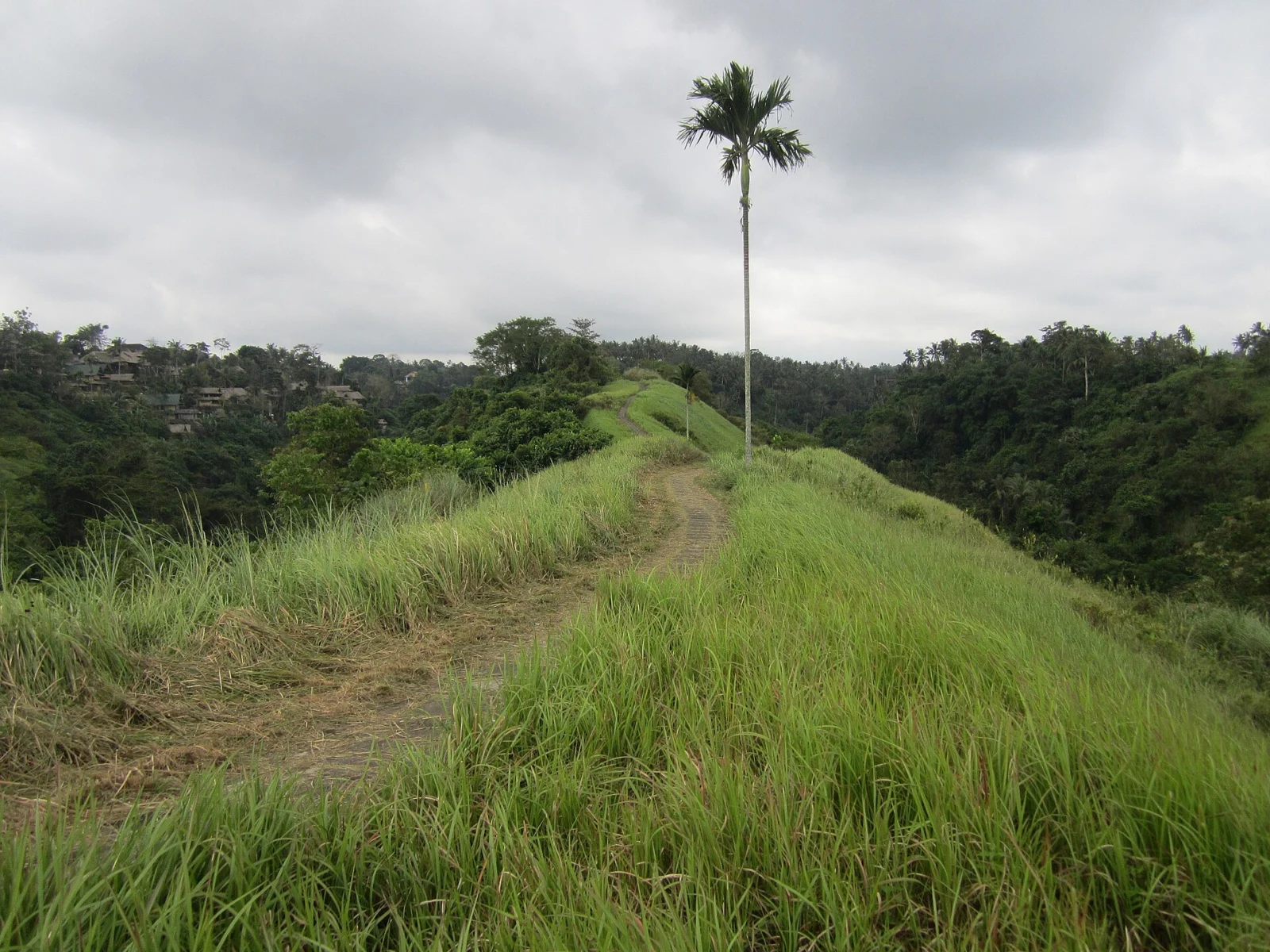
Campuhan suits an early walk when you want time outdoors without booking a full-day excursion. Choose an out-and-back route and turn around according to the heat, footing and your energy. Provisionally allow 1–2 hours for a shorter walk with stops; a longer village extension needs additional time.
Carry water and use footwear with grip. The route includes exposed stretches, so choose morning or a cooler part of the day rather than building the plan around a midday climb. Wet surfaces can be slippery. The national tourism board’s Ubud guide includes Campuhan among the area’s walks.
5. Make Tegallalang a separate countryside outing
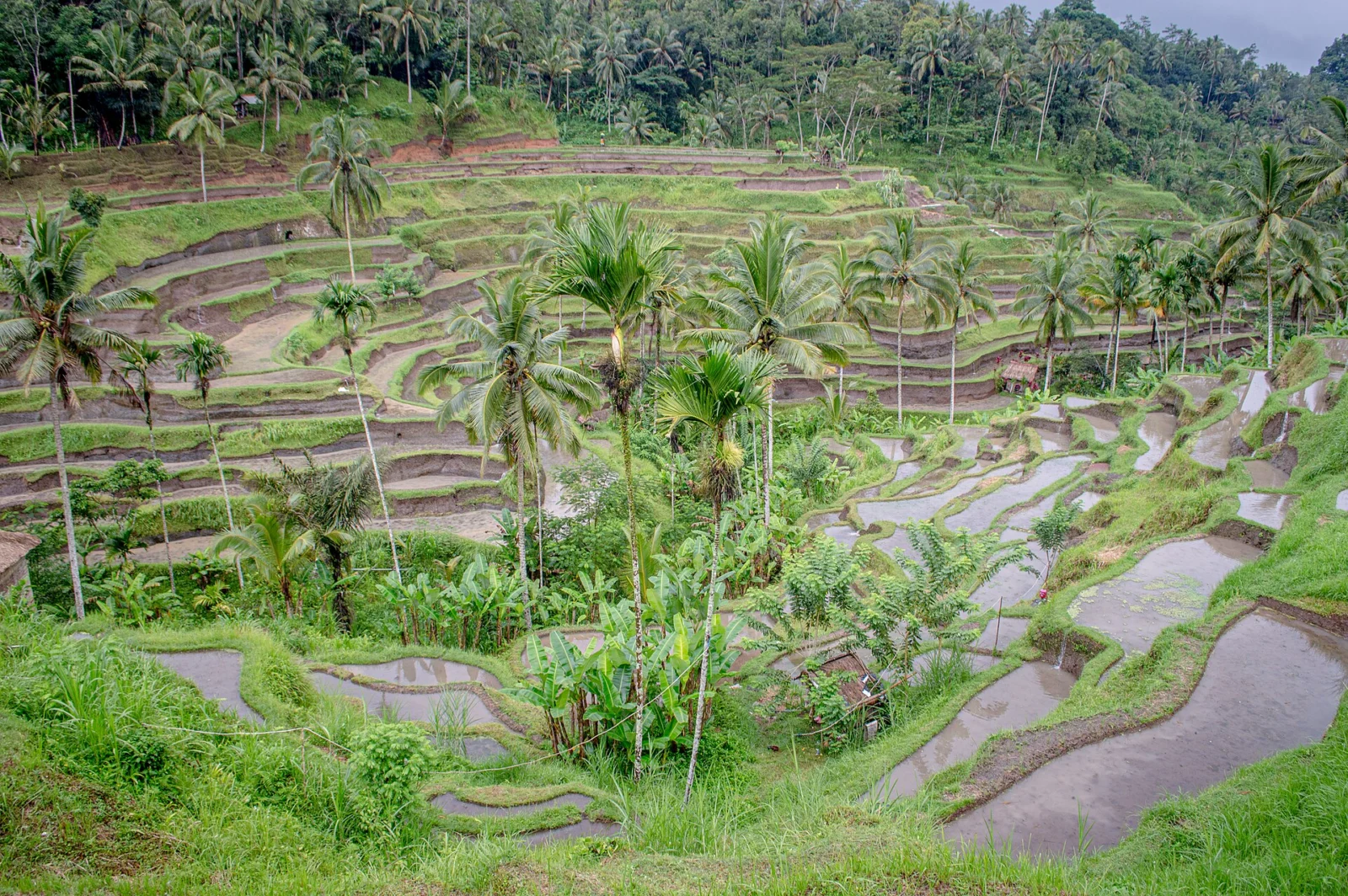
Tegallalang is north of central Ubud. It is a countryside visit, not an extra five-minute walk after the market. Allow a half-day for transport, a selected walking route and lunch. As a flexible planning allowance, set aside 30–60 minutes each way from a central hotel, adding time when traffic or your exact entrance requires it.
The official Tegallalang overview describes the terraced landscape and subak irrigation tradition. Your practical decision is which entrance and experience you are buying: a view, walking access, a restaurant package and a swing attraction need not have the same price or inclusions.
Before leaving, confirm the access point and total with your driver or operator. Ask what admission includes and whether photography installations cost extra. Stay on permitted paths and avoid entering cultivated plots. Choose the terraces for the landscape; a staged photograph is optional.
6. Visit ARMA for Balinese and Indonesian art
ARMA offers a different way to spend an afternoon from market browsing or temple hopping. Its collection includes traditional and contemporary painting, with works by Balinese, Indonesian and foreign artists. Allow around 1½–2 hours for selected galleries, plus travel and any café break.
The museum’s own website explains its collection and cultural role. Check current visitor hours and admission directly before going; workshops, performances and resort packages are separate purchases unless expressly included. ARMA can suit unsettled weather, although journeys between buildings and through the grounds are not necessarily sheltered.
Temples beyond the center
7. Visit Tirta Empul with the right expectations
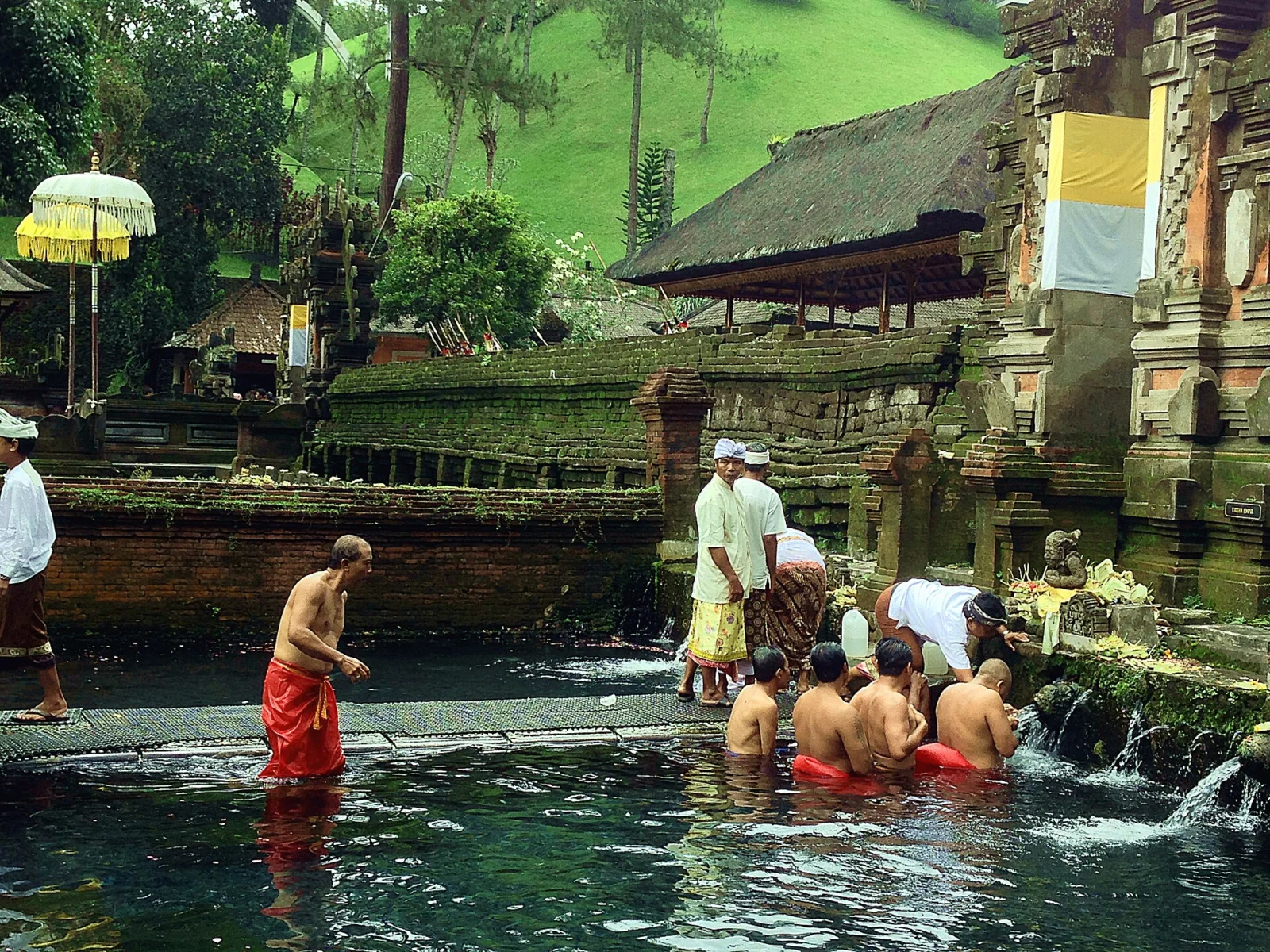
Tirta Empul is in Tampaksiring, outside Ubud’s walkable center. Its springs and bathing areas are part of an active religious setting. You can visit respectfully without participating in the purification ritual known as melukat.
The Indonesian tourism board’s visitor guide lists adult admission at IDR 75,000 and children aged 5–12 at IDR 50,000, citing rates from January 2025. It lists opening from 8 a.m. to 6 p.m. Confirm current arrangements and follow posted dress and access rules.
Allow around 1–1½ hours for sightseeing, longer if arranging a ritual with appropriate guidance. Provisionally allow 45–75 minutes each way from central Ubud. Ask what clothing, lockers or assistance cost if relevant; do not assume the entrance ticket includes every ritual-related service. Arrange the return journey before arriving, especially if relying on an app-booked vehicle.
8. Explore Goa Gajah’s archaeological complex
Goa Gajah, near Bedulu, combines a carved cave entrance with bathing pools and other archaeological remains. It offers a different focus from Tirta Empul’s active bathing ritual.
Allow 1–1½ hours at the site, plus a provisional 20–45 minutes each way from a central base. Ask about the current ticket category, clothing requirements and any separate charges at the official entrance. Paths and steps mean the visit is more than a level roadside viewpoint; confirm access if you need a step-free route.
Give Goa Gajah its own half-day outing or combine it with stops on a carefully checked route. Do not automatically add it to a northern temple-and-terraces day merely because both are described as “near Ubud.”
Food experiences and choosing a tour
For a full-day alternative to arranging separate transfers, compare the Ubud private day tour on Klook. Look for the “Private Best of Ubud, Monkey Forest, Waterfall, Tirta Empul & Rice Terrace” package. The listing gives a duration of 9–10 hours, so use it instead of a full sightseeing day. Confirm the exact stops, hotel pickup area, admission fees, meals and optional extras in your selected package before paying.
9. Take a cooking class, or plan an independent food stop
A Balinese cooking class is useful when you want an activity centered on ingredients and preparation. Compare the menu, group size and location. Some venues are outside town and include a market visit or hotel pickup, so the advertised class time may not represent the entire outing.
For a specific option, check the Subak cooking class in Ubud on Klook. The listing describes a five-hour group experience with a local market visit, Balinese cooking and a meal. Confirm your session’s programme, hotel pickup coverage and dietary arrangements before booking; check whether the selected package is for one person or requires at least two participants.
Reserve a half-day unless the provider specifies otherwise. Confirm dietary requirements before paying, including whether ingredients can be substituted and how shared preparation areas are handled. If the class includes lunch, leave the rest of the afternoon open rather than booking another timed activity immediately afterward.
For an independent alternative, choose a warung with displayed prices and order a meal that suits your diet. Ask about ingredients instead of assuming a vegetable dish is vegetarian or that every Balinese menu is halal. One good lunch stop can be more useful than crossing town to tick off several cafés.
How to combine one, two or three full days
| Time available | Suggested selection |
|---|---|
| One full day | Choose Monkey Forest or ARMA; explore the palace and market area; add a confirmed evening performance if you wish. |
| Two full days | Use Day 1 for town. On Day 2, arrange a northern outing to Tegallalang and Tirta Empul, with lunch and generous road allowances. |
| Three full days | Add an early Campuhan walk and either Goa Gajah or a cooking class. Keep time for a museum or a weather-related swap. |
These are full sightseeing days between arrival and departure. Arriving the evening before three sightseeing days means three hotel nights if you leave late on the third day, or four if you depart the following morning. A transfer from another part of Bali reduces the time available for activities.
Mount Batur, Bedugul and the coast require separate planning. If one is a priority, replace a substantial part of the programme or add time. Do not attach a sunrise excursion to an already full temple day without considering sleep, transfers and the return.
Continuing from inland Bali to the coast? Our Uluwatu guide combines beaches, the temple and Kecak in a practical two-day plan. Allow a separate transfer day when moving from Ubud.
Costs, transport and what to book
Admission example: one adult Monkey Forest ticket at IDR 130,000 plus the tourism board’s listed Tirta Empul rate of IDR 75,000 gives IDR 205,000. This is a two-attraction subtotal, not a daily budget. It excludes other admissions, transport, meals, parking, classes and optional services.
Price a driver by the complete arrangement: pickup location, route, vehicle, total hours, waiting, parking, admissions and overtime. Compare the total for your party with a shared tour’s per-person price. A group tour can simplify an outing, but a product naming “Ubud highlights” is not a promise to visit every place in this guide.
Walking works within selected central clusters. For countryside visits, agree a return pickup or hire an appropriate vehicle with a driver. This guide does not require renting a scooter. Hotel addresses matter: accommodation marketed as “Ubud” may be well beyond the center and add a journey to every meal or meeting point.
Book a must-do class or performance once your dates are settled. Keep outdoor activities flexible where possible, read cancellation terms and confirm the pickup area. During heavy rain, shorten exposed walks and follow local closure notices. A museum or cooking class may be a better use of the day, subject to opening and availability.
Planning the rest of your trip? Explore our Indonesia travel guides for the full Bali itinerary and related planning advice.
Frequently asked questions
Can you explore Ubud without a scooter?
Yes. Choose accommodation with suitable walking access for town visits and use a driver or an appropriate organized tour for countryside outings. Confirm the pickup and return arrangement; a central hotel does not make the rice terraces and outer temples walkable.
Are all these activities in central Ubud?
No. The palace and market area are central; Tirta Empul, Tegallalang and Goa Gajah require separate travel. Check each location instead of treating the word “Ubud” on a tour listing as a small, walkable boundary.
Do you need three days?
One full day gives you a selected introduction to town. Two allow a countryside outing, and three leave room for a class, art or a slower walk. Count your usable time after transfers before booking a timetable.
This guide is based on published research and linked official visitor information. It does not claim personal visits or hands-on testing of tours.