
10 Things to Do in Chiang Mai: Temples, Food and Mountain Trips
The best things to do in Chiang Mai depend on how much time you want to spend in the city versus on the road. Start with its Old City temples, northern Thai food and evening markets, then choose a mountain outing or a cooking class rather than booking a different excursion for every day.
For a first visit: combine Wat Phra Singh and Wat Chedi Luang with a relaxed Old City walk; set aside half a day for Doi Suthep; and choose the right evening market for your dates. Doi Inthanon is a separate full-day trip, not an extra stop after lunch.
This guide separates city activities from outings beyond the center and explains which places fit together. Visit lengths and road times are planning estimates, not confirmed schedules. For the wider journey, see our 10-day Thailand itinerary, which connects Bangkok, Chiang Mai and Krabi.
Choose your Chiang Mai activities at a glance
| Activity | Allow | Cost and planning note |
|---|---|---|
| Old City temple pair | 2–3 hours plus a break | Check each temple’s current admission; separate tickets may apply |
| Evening market | 1½–2½ hours | Browsing does not require a tour; budget separately for purchases and food |
| Northern Thai lunch | 45–90 minutes | Pay menu prices; guided food walks cost extra |
| Cooking class | Half a day | Compare the complete package and transport inclusions |
| Nimman cafés and shops | 2–3 hours | Flexible spending rather than one attraction ticket |
| Doi Suthep and Wat Pha Lat | Half a day together | Budget transport, any temple fees and any applicable trail or park charges separately |
| Royal Park Rajapruek | 2–3 hours plus transfers | Official foreign-adult admission listed at THB 200; verify current conditions |
| Doi Inthanon outing | A full day | Transport, park entry, selected attractions and guides may be charged separately |
The table is a selection tool, not a checklist to complete. Start with the activities that interest you, then group them geographically. Two temples, lunch and an evening market can fill a satisfying day without a long-distance excursion.
Explore the Old City temples
1. Visit Wat Phra Singh
Wat Phra Singh makes a useful starting point on the western side of the Old City. Give yourself around 45–60 minutes to explore the accessible temple areas, notice the decorative details and pause rather than hurrying between photo spots. Check which buildings are open and whether an admission charge applies to the areas you want to enter.
Cover shoulders and knees, remove shoes where instructed and keep out of the way of worship and ceremonies. Ask before photographing people closely. The visit pairs naturally with Wat Chedi Luang and a lunch stop; you do not need a scooter or a full-day temple tour for this central route.
2. See the chedi at Wat Chedi Luang
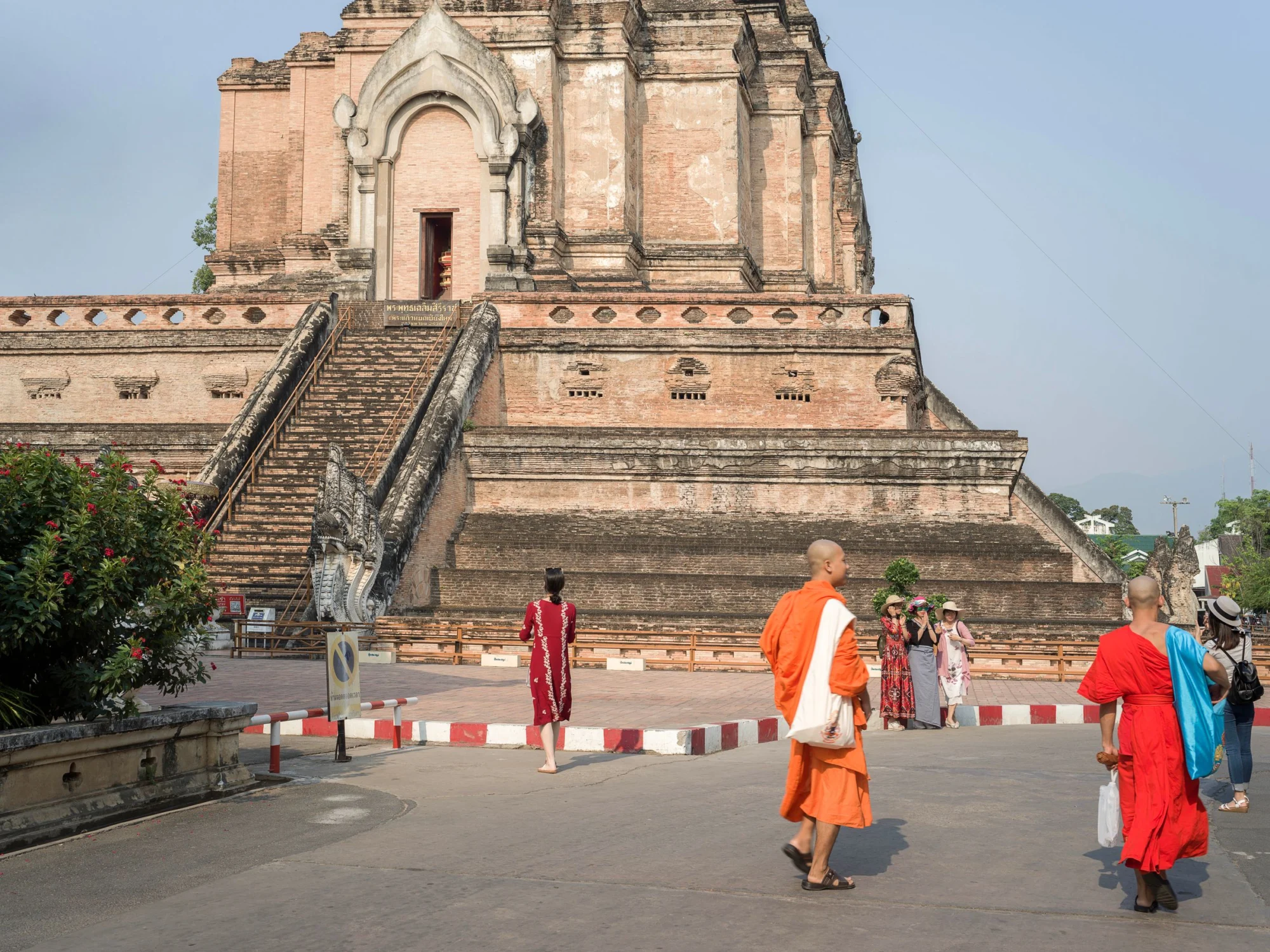
Continue toward Wat Chedi Luang for its substantial brick chedi and surrounding temple grounds. Allow about an hour, with extra time if you want to read the visitor information. Some areas have access restrictions: follow the signs instead of assuming every structure is open to everyone.
For the pair of temples, budget roughly two to three hours including the connecting walk and a drink break. Add Wat Phan Tao only if you still want another temple visit, rather than treating it as compulsory. Finish with lunch and a rest before deciding on the afternoon. The Tourism Authority of Thailand’s Chiang Mai overview is a starting point for the province’s cultural and natural attractions.
Markets and northern Thai food
3. Choose the right evening market
Chiang Mai’s weekend walking streets and its Night Bazaar are different places. Match your evening to the day of the week instead of searching for a Sunday market on Tuesday. The Tourism Authority of Thailand’s Australian site distinguishes the Night Bazaar from the Sunday Walking Street through the Old Town.
| Market | Usual evening | Where to orient yourself |
|---|---|---|
| Sunday Walking Street | Sunday | Tha Phae Gate and the Ratchadamnoen Road area inside the Old City |
| Saturday Walking Street | Saturday | Wua Lai Road, south of Chiang Mai Gate |
| Night Bazaar | Nightly trading area | Chang Klan Road, east of the Old City |
Allow around two hours for browsing, a meal and breaks. Stall opening times and event arrangements vary, so confirm the situation locally on your dates. Arrive before the busiest late-evening period if crowds are tiring. Keep valuables secure and carry small cash; agree prices before buying and ask before photographing stallholders.
4. Eat khao soi and explore a daytime market
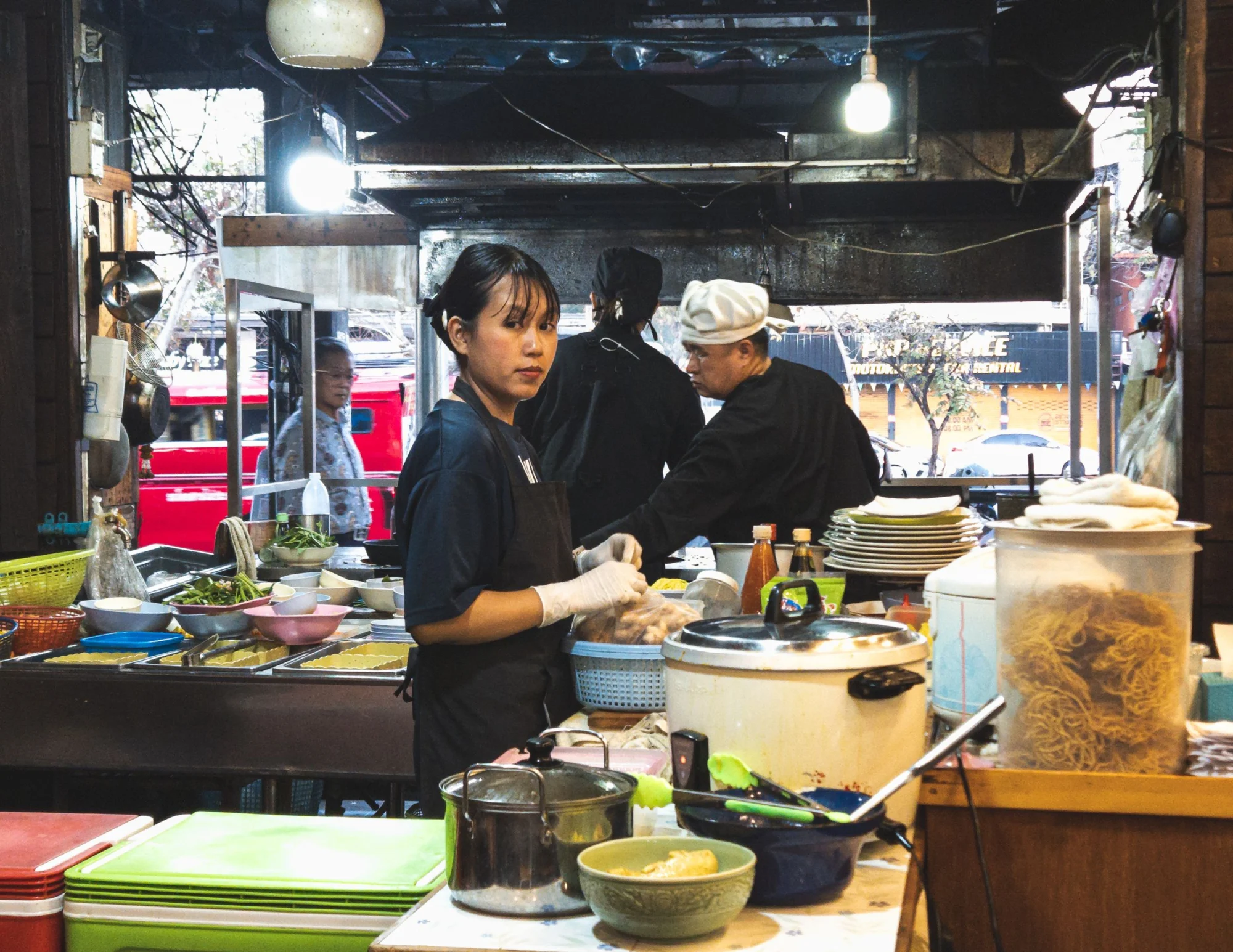
Make room for a northern Thai lunch rather than treating food as something to squeeze between sights. Khao soi combines a curry-style broth with soft and crisp noodles; ingredients and meat choices vary. The TAT listing for Khao Soi Samoe Chai provides one named option to investigate, not a claim that we have eaten there or that it is universally the best. Verify its hours and location before traveling specifically for a meal.
Warorot Market, also called Kad Luang, offers another kind of visit from the evening souvenir stalls. Browse food and everyday goods and allow 60–90 minutes, longer if eating nearby. TAT’s Chang Moi and Warorot article introduces the area. Do not assume a photograph of a market elsewhere in Chiang Mai depicts this particular building.
Ask about fish sauce, shrimp paste, nuts and other ingredients if they matter to your diet. A food tour can help with choosing dishes, but compare the route, group size and dietary arrangements before booking. The independent version works too: pick a few dishes, check displayed prices and leave time to sit down.
Cooking classes and a slower neighborhood afternoon
5. Take a Thai cooking class
A cooking class suits visitors who want a hands-on activity and a break from sightseeing. City schools and countryside venues offer different experiences; the latter may involve a longer pickup journey. Choose a class because the menu and teaching format appeal to you, rather than because it promises the largest number of dishes.
Reserve half a day unless the provider states otherwise. Check whether a market visit, transport, ingredients and a meal are included in the advertised duration and total price. Ask about dietary needs before paying. If lunch is included, plan a light dinner and leave the rest of the afternoon flexible instead of booking another timed outing immediately afterward.
6. Spend an afternoon around Nimman
The Nimmanhaemin area is an alternative to another temple: cafés, small shops and a more contemporary streetscape. Allow two to three hours for a short walk and a café stop. It works particularly well after a mountain morning, provided you still have energy and the return route is convenient.
Use a car or other suitable local transport from the Old City rather than assuming every neighborhood is an easy walk in heat and traffic. Café hopping is optional spending, not a free attraction in itself. For a quiet afternoon, pick one café and a few nearby streets instead of working through a list of fashionable venues.
Go up the mountain: Doi Suthep and Wat Pha Lat
7. Visit Wat Phra That Doi Suthep
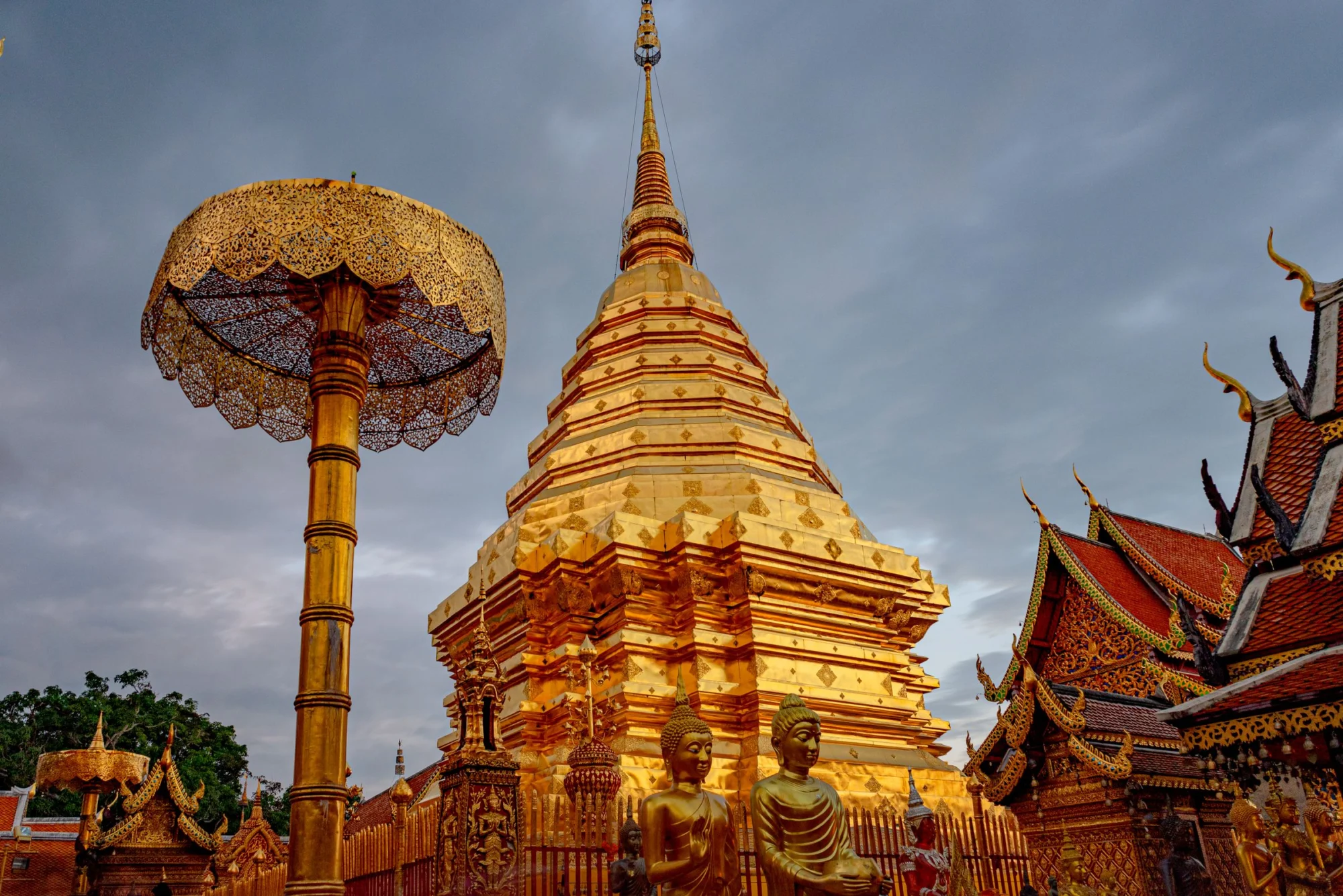
Doi Suthep is the mountain temple outing to prioritize if you want one excursion beyond the center. The golden chedi is the main focus; a clear view over the city is a bonus, not a guarantee. The official TAT attraction page gives background on the temple.
Provisionally allow 45–75 minutes each way from a central hotel, depending on traffic, pickup and the exact route, plus 60–90 minutes at the temple. Set aside half a day for a comfortable visit. Confirm current entry arrangements, steps or alternative access, and any separate charges before going.
Arrange a return journey, not just a one-way drop-off. With a songthaew, clarify whether the quoted price is per person or for the whole vehicle, whether it waits and what happens if there are too few passengers. A hired car can be simpler for a group, but get the total price and waiting allowance in writing.
8. Add Wat Pha Lat, or choose it for a shorter outing
Wat Pha Lat offers a forest-temple setting on the mountain route. If visiting both temples, agree the stop with your driver beforehand and allow around 45–60 minutes for the accessible grounds. They fit the same half-day outing more naturally than attractions on the opposite side of the city.
The road-access temple visit and the Monk’s Trail hike are different plans. Do not assume that a temple admission arrangement covers the trail, park charges or every nearby natural site. Check current local notices about access and fees. If hiking, choose a route appropriate for your ability, carry water and avoid slippery paths in heavy rain. A vehicle-based visit is an alternative; the hike is not required to follow this guide.
Choose a garden visit or a full mountain day
9. Walk through Royal Park Rajapruek
Choose Royal Park Rajapruek if gardens and landscaped spaces appeal more than another crowded shopping area. Allow two to three hours in the park plus travel from your hotel. It is outside the central Old City, so compare the complete outing with the time you have available.
The park’s official admission page lists daily opening from 8 a.m. to 6 p.m. and foreign-adult admission at THB 200. Check for updated notices and whether any optional transport or activities cost extra. Bring sun or rain protection; the scale of a landscaped park can mean more walking than a quick look at the map suggests.
10. Reserve a full day for Doi Inthanon
Doi Inthanon suits travelers who want mountain scenery and are willing to spend a substantial part of the day in a vehicle. It should replace a city day, not be added to the Doi Suthep afternoon. TAT’s Doi Inthanon guide explains the scale of the national park.
As a broad planning allowance, expect a day of roughly nine to twelve hours from hotel pickup to return, depending on the chosen stops. A summit-focused route, waterfall visits and a guided trail are different packages. Compare the itinerary and driving time before buying, not just the number of attractions in the advertisement.
Ask whether the price includes park admission, any separate attraction tickets, guide charges, lunch and hotel pickup. Check seasonal trail access and weather with the operator and park authorities; do not assume every advertised walk operates year-round. Pack an extra layer for higher elevations and shoes suited to the selected route. Keep the evening to an easy meal rather than another reservation.
How to combine the activities in one, two or three days
| Time available | Suggested plan |
|---|---|
| One full day | Wat Phra Singh and Wat Chedi Luang; northern Thai lunch; a hotel break; the appropriate evening market |
| Two full days | Follow the city day, then Doi Suthep and Wat Pha Lat; add Nimman only if time and energy allow |
| Three full days | Add a cooking class or Royal Park Rajapruek; choose Doi Inthanon instead if a full-day mountain trip is your priority |
These are full days between arrival and departure. With flights inside the same period, shorten the first and final days. Our Thailand route allocates three Chiang Mai nights, including a transfer day, so it does not automatically provide three complete sightseeing days.
Transport, costs and choosing when to go
Where to stay: the Old City or its immediate surroundings make the central temple route straightforward. Nimman suits a café-focused stay but adds journeys to the Old City; the Night Bazaar area suits evening browsing but check room reviews for noise. Compare the precise hotel entrance and walking route, not only the neighborhood name.
Getting around: walk within compact clusters and compare an app-booked car, licensed taxi, tuk-tuk or songthaew for longer journeys. Confirm the destination, total price and any waiting arrangement. This guide does not require renting a scooter. Allow extra time for traffic, heavy rain and busy market evenings.
Budget: browsing a market and walking between neighborhoods have little fixed attraction cost; meals, transport and admissions remain separate. Organized classes and full-day excursions usually account for more of an activity budget than a central temple walk. Use the published ticket price where an official source provides one, then replace all other allowances with dated quotes.
For example, an illustrative city-day budget might allow THB 500 for food, THB 300 for local rides and THB 200 for admissions or incidentals: THB 1,000 per person before accommodation. This is not a verified average or a promise that every combination fits it. Private mountain transport, classes and Doi Inthanon need their own quotes and can change the total substantially.
Weather and visibility: check the local forecast and current air-quality readings before outdoor activities. Conditions can affect mountain views and whether a walk is appealing. In heavy rain or poor visibility, choose a class, cafés or a shorter city programme. For official local guidance and destination contacts, start with the Tourism Authority of Thailand.
Frequently asked questions
What should I prioritize on a first visit?
Start with an Old City temple pair, northern Thai food and one evening market. Add Doi Suthep if you have another half-day. That combination offers variety without spending every day traveling outside the city.
What can I do without booking an expensive tour?
Explore the Old City, browse markets and plan an independent food stop. Budget for any temple entry and the journey back. A tour can add explanation or simplify transport, but it is not required for every activity in this guide.
Is Chiang Rai an easy extra stop?
Chiang Rai is a different city and a substantial road excursion from Chiang Mai. Do not confuse it with Doi Suthep or a neighborhood visit. Add time or replace a whole day if its attractions are important to you.
Does a lantern festival happen every evening?
No. Festivals and ticketed lantern-release events have specific dates and arrangements. Confirm the official programme for your travel dates; an evening market does not mean there is a lantern release.