
10-Day Thailand Itinerary: Bangkok, Chiang Mai and Krabi
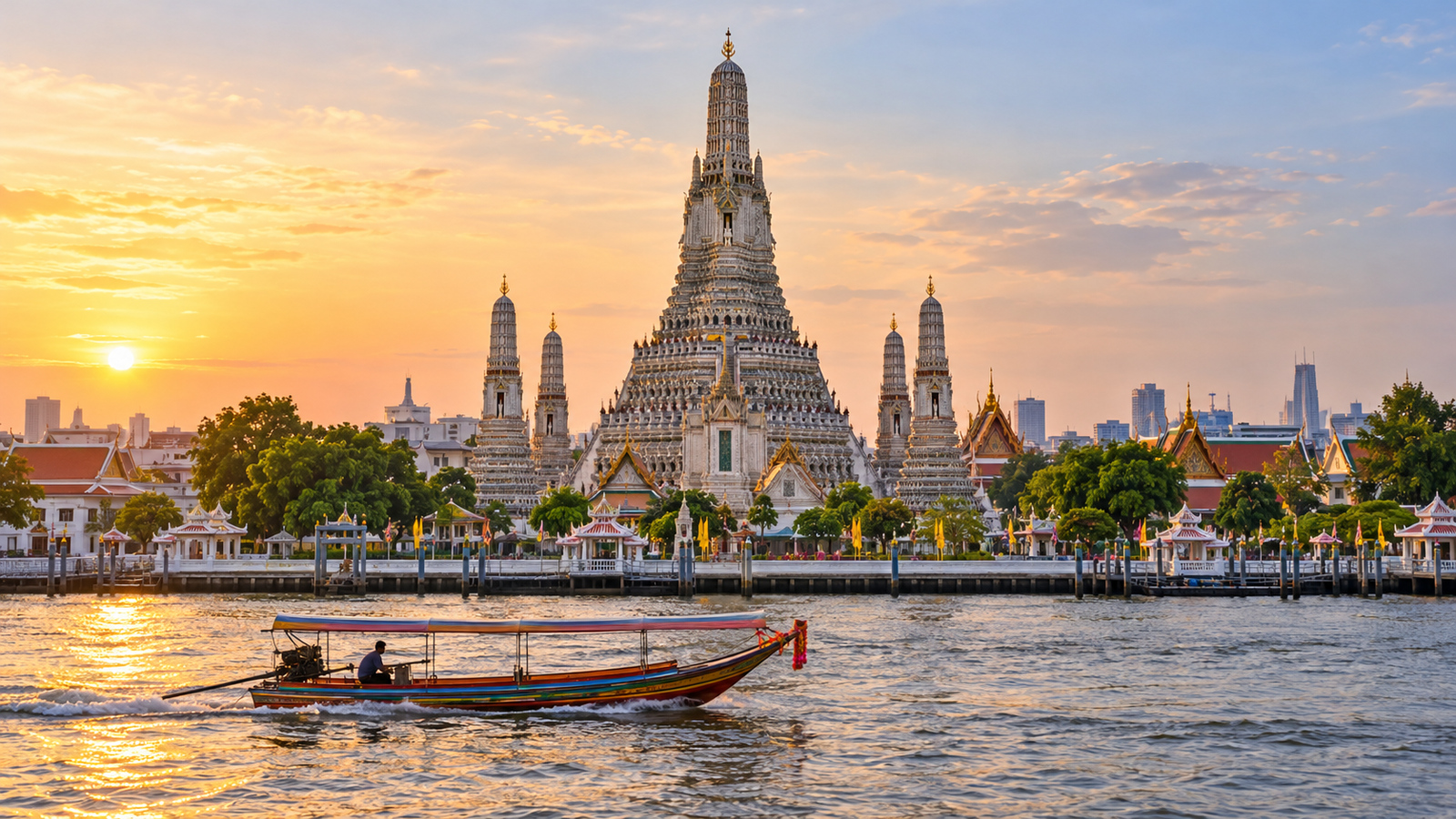
This 10-day Thailand itinerary combines Bangkok’s temples and food, Chiang Mai’s Old City and mountain scenery, and a beach break in Krabi. It is designed for a first visit, using flights between regions and one coastal base instead of changing islands every night.
The route: Bangkok 3 nights → Chiang Mai 3 nights → Ao Nang, Krabi 2 nights → Bangkok 1 night. Arrival counts as Day 1 and departure as Day 10. That gives you nine hotel nights, with sightseeing reduced on transfer days.
In this guide
10-Day Thailand Itinerary at a Glance
| Day | Main plan | Overnight |
|---|---|---|
| 1 | Arrive in Bangkok; settle in | Bangkok |
| 2 | Grand Palace, Wat Pho and riverside | Bangkok |
| 3 | Wat Arun and Chinatown | Bangkok |
| 4 | Fly to Chiang Mai; Old City walk | Chiang Mai |
| 5 | Doi Suthep and a relaxed afternoon | Chiang Mai |
| 6 | Cooking class or a countryside day | Chiang Mai |
| 7 | Travel to Krabi; Ao Nang sunset | Ao Nang |
| 8 | Railay and Phra Nang beach | Ao Nang |
| 9 | Return to Bangkok | Bangkok |
| 10 | International departure | None |
Before You Book: Season and Flight Connections
For this particular route, November to February is a useful starting window: the north is generally cooler, and Krabi falls within the government’s recommended November–April Andaman beach season. This is a seasonal guide, not a promise of sunshine. Check forecasts and marine warnings before boat trips.
For a May–October trip, compare a Gulf coast alternative before booking Krabi. The two coasts have different rainfall patterns: the northeast monsoon can bring rain to the southern east coast into December. A Samui alternative also changes flight costs and transfers; do not simply substitute an island name in the same timetable. See the official beach-season guide and government monsoon explanation.
Before reserving hotels, check whether a suitable Chiang Mai–Krabi flight operates on your dates. If a connection is necessary, treat Day 7 as a full travel day. Also check the Bangkok airport codes: BKK and DMK are different airports. A cheap domestic fare can become inconvenient if it requires an airport change.
Days 1–3: Bangkok
Day 1: Arrive and Keep the Evening Light
Transfer to your hotel, check in or leave your bags, and have a meal nearby. Choose one short walk if you arrive early; after a late arrival, dinner and sleep are enough. Keep timed tickets off this day.
For planning, reserve roughly 3–5 hours between landing and being ready at the hotel, allowing for immigration, baggage and traffic. This is a flexible allowance, not a guaranteed transfer time.
Day 2: Grand Palace, Wat Pho and the River
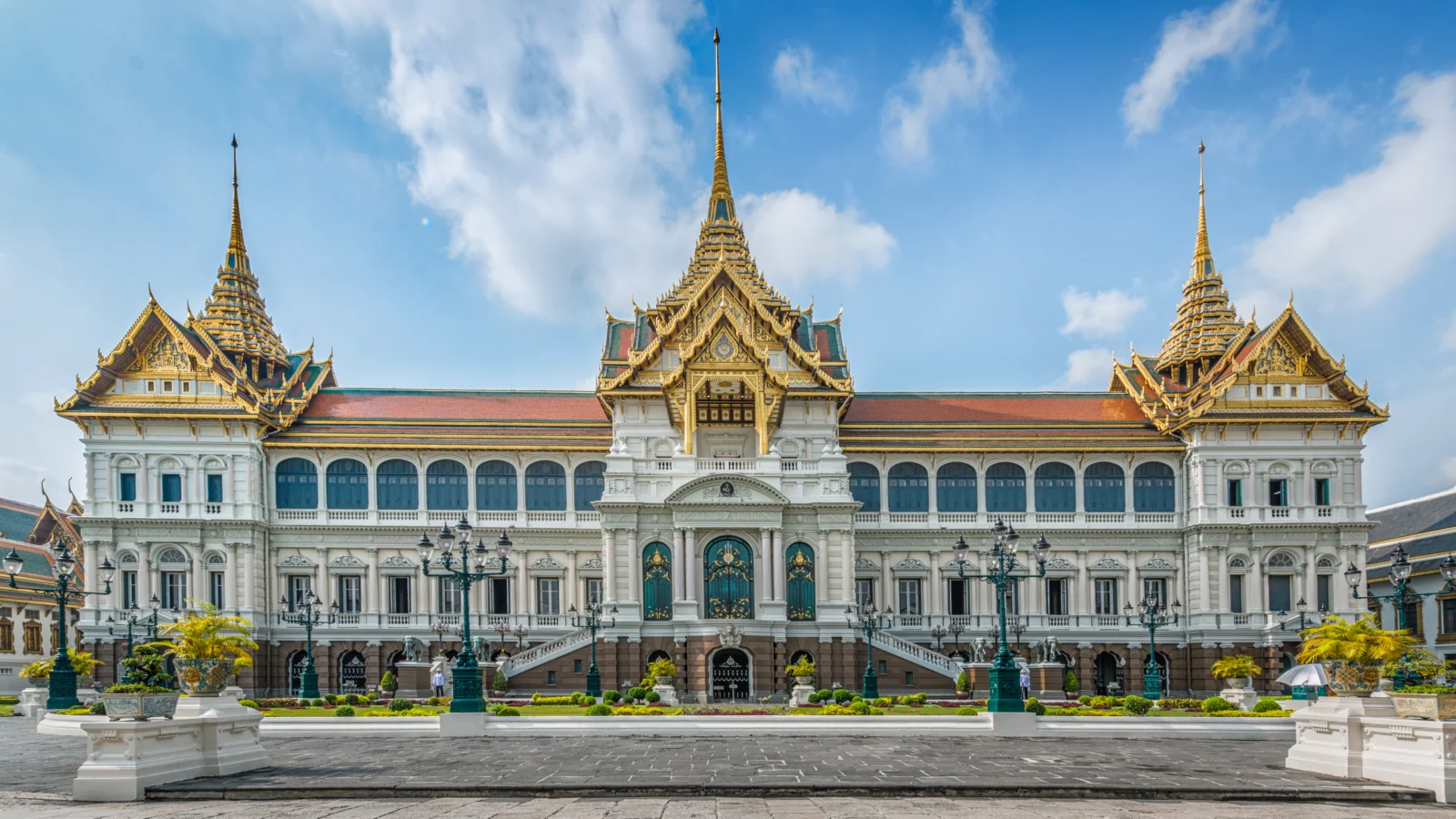
Start at the Grand Palace and Wat Phra Kaew, then have lunch before visiting nearby Wat Pho. Keep the late afternoon for a riverside break rather than adding another distant neighborhood. Plan around 2–3 hours for the palace compound and 1–2 hours for Wat Pho, including queues and rests.
The palace’s official site lists a 500 THB foreign-visitor ticket and strict clothing rules. Wear appropriate covered clothing and check the official visitor information and date-specific schedule. Its pages contain inconsistent opening-time wording, so plan a morning visit and confirm access for your date.
Day 3: Wat Arun and Chinatown
Visit Wat Arun in the morning, keeping time for the river crossing and lunch. Leave the hottest part of the day for a rest, an indoor stop or your hotel. In the late afternoon, explore Chinatown around Yaowarat and choose dinner there.
This deliberately leaves breathing room after Day 2. If a weekend market is your priority, substitute it for the afternoon rather than adding it. An Ayutthaya day trip is another replacement for this day, but it gives up the second Bangkok sightseeing day.
Days 4–6: Chiang Mai
Day 4: Fly North and Explore the Old City
Fly to Chiang Mai and reach your accommodation before planning sightseeing. Allow approximately 4–6 hours hotel-to-hotel for a suitable direct flight, including check-in, waiting and ground transfers; a connection takes longer.
After lunch or a luggage drop, take a compact Old City walk with Wat Chedi Luang and Wat Phra Singh as possible stops. If you arrive late, choose one temple and dinner. Evening markets depend on the weekday, so check the actual market schedule before arranging your day around one.
Day 5: Doi Suthep
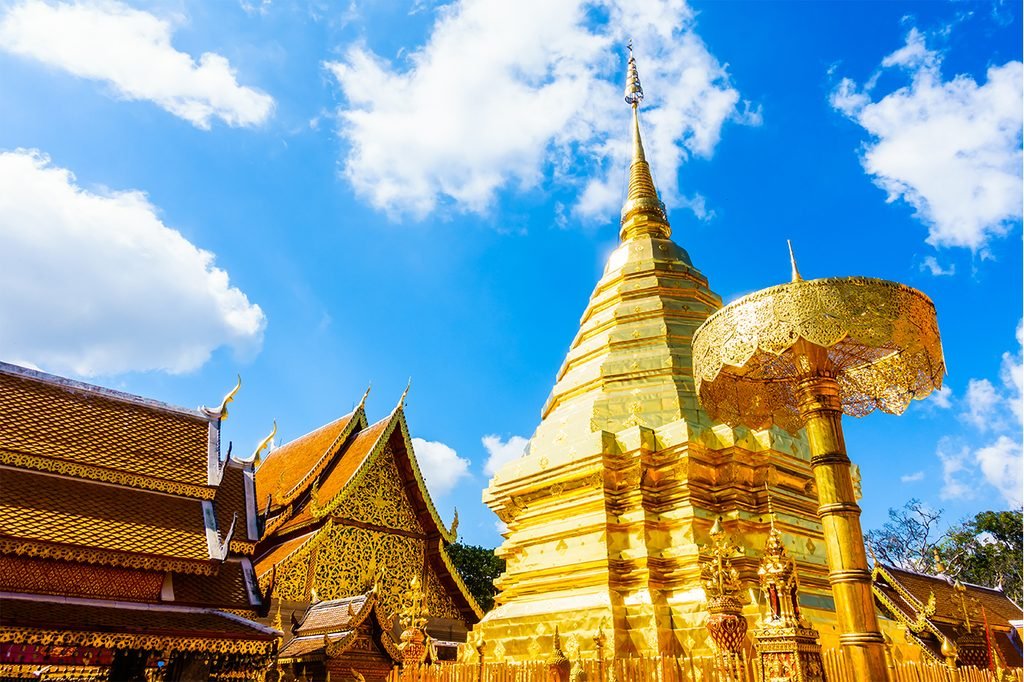
Spend the morning visiting Wat Phra That Doi Suthep. Arrange transport with a clear return plan and allow roughly half a day including the mountain drive, temple visit and lunch. Wear temple-appropriate clothing. The Tourism Authority of Thailand listing explains the staircase and tram access options.
Keep the afternoon for Nimman cafés, a hotel break or another short Old City walk. Mountain views depend on visibility; check local air-quality and weather information when choosing outdoor activities.
Day 6: Choose One Experience
A cooking class is a practical choice for a final Chiang Mai day: compare class duration, hotel pickup, market visits and dietary options before booking. Keep the remaining time for shopping or a relaxed meal.
For more nature, replace the class with a full-day countryside or Doi Inthanon excursion. Check driving time and walking demands with the operator. Avoid combining a full-day excursion with another major activity, and skip the Chiang Rai round trip on this short itinerary.
Days 7–8: Krabi
Day 7: Travel to Ao Nang
Travel to Krabi and transfer to Ao Nang. Keep the rest of the day for settling in and a sunset walk if arrival time allows. Do not book a boat tour for the same afternoon as your flight.
Ao Nang is the recommended base here because the official Krabi guide identifies it as a departure point for nearby island and beach trips. With only two nights, staying on the mainland avoids a hotel move and a boat transfer with luggage.
Day 8: Railay and Phra Nang
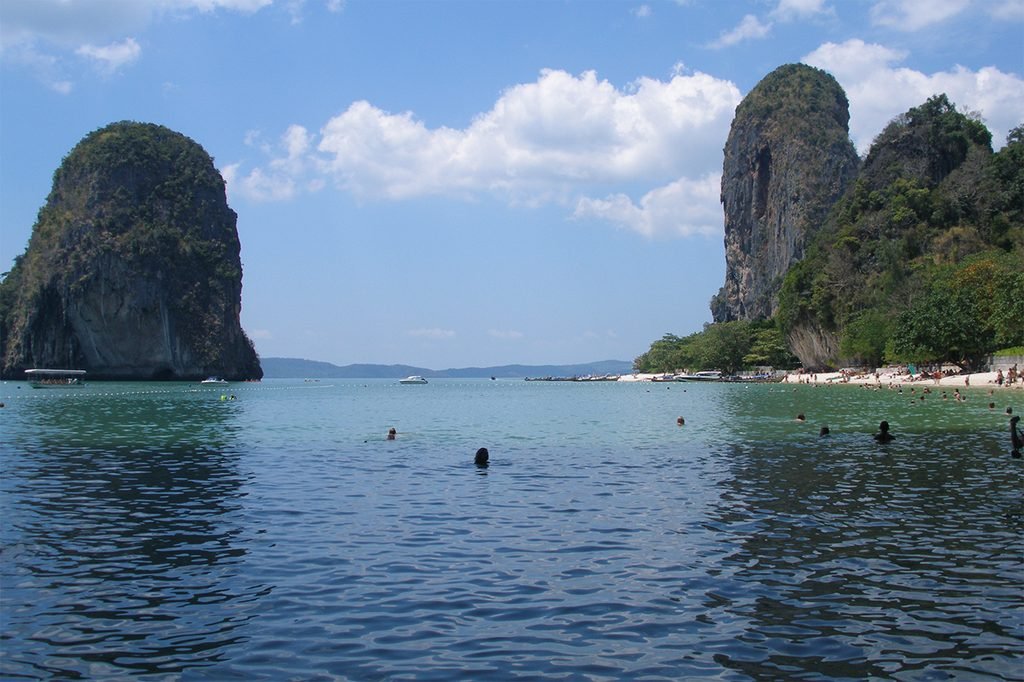
Make Railay and Phra Nang your main coastal outing. Confirm boat departure arrangements, return options and operating conditions locally before leaving Ao Nang. Pack water, sun protection, cash and a waterproof pouch; leave your suitcase at the hotel.
Allow most of the day for travel, beach time and lunch. Skip scrambling viewpoints if the route is wet or beyond your ability. An organized island tour can replace Railay if that is your priority, but do not plan both. The official Krabi trip planner helps identify the coastal stops.
If sea conditions stop boats, keep a mainland day and follow local advice. A canceled outing is a reason to change the day’s plan, not to find a boat willing to ignore the conditions.
Days 9–10: Return and Departure
Day 9: Fly Back to Bangkok
Return to Bangkok and stay overnight before your international departure. Choose accommodation around the airport you actually use if your flight is early; for a later departure, a familiar city base may be more useful.
Treat sightseeing as optional. The final Bangkok night provides a buffer between separately booked domestic and international flights, although it cannot eliminate disruption risk. If you have a suitable international departure from Krabi, you can instead keep the ninth night on the coast and remove this flight.
Day 10: Leave Thailand
Plan the airport transfer around your airline’s check-in requirements and traffic. Breakfast or a short local walk may fit a later flight, but this is a departure day. Avoid a distant day trip or a boat connection before flying home.
Where to Stay for This Route
- Bangkok: Choose the Old Town for the temple days, or accommodation near a useful BTS/MRT connection for easier movement across the city. Check actual walking distance to the station.
- Chiang Mai: The Old City is convenient for temple walks; Nimman suits café-focused afternoons but needs transport to the Old City.
- Ao Nang: A walkable position near the beach road helps with meals and boat arrangements. Check noise reviews and the exact location rather than relying on “Krabi” in a hotel name.
How Much Should You Budget for 10 Days?
The following is an illustrative mid-range planning allowance, not a checked quote or market average. It assumes two adults sharing one room for nine nights. Replace each line with live prices before booking.
- Hotels: 2,000 THB per room per night × 9 ÷ 2 = 9,000 THB per person.
- Food: 800 THB per person per day × 10 = 8,000 THB.
- Three domestic flights, including your selected baggage: set aside 6,000 THB per person provisionally.
- Airport transfers and local transport: allow 3,000 THB per person.
- Admissions, a class and coastal activities: allow 4,000 THB per person.
That example totals 30,000 THB per person; a 15% contingency brings it to 34,500 THB. International flights, insurance, entry-related costs and major shopping are excluded. Solo travelers need a different accommodation calculation. Peak dates, flight connections and premium tours can push the total higher.
What to Book First
- International flights and the three domestic legs; verify airport codes, baggage and connection conditions.
- Nine hotel nights matching the table, with cancellation terms you understand.
- One Chiang Mai experience and the coastal activity you prefer; check what the price includes.
- Palace access for your date and any attraction closures.
- Airport transfers for early departures and a weather alternative for Day 8.
Frequently Asked Questions
Is 10 days enough for Thailand?
It is enough for a focused first visit to these three regions, with flights and limited hotel changes. You will have two main sightseeing days in Bangkok, two full days in Chiang Mai and one full coastal day. For a slower beach holiday, remove Chiang Mai and divide the time between Bangkok and Krabi.
Should you visit Phuket and Krabi on the same trip?
For this ten-day route, choose one coastal base. Adding Phuket, island overnights and Chiang Rai would consume the time reserved for enjoying each stop.
Can you use trains instead of domestic flights?
You can redesign the northern leg around an overnight train, but that changes the sleep and hotel plan. This version uses flights to protect the limited sightseeing time; compare the actual timetable and sleeper availability before substituting a train.
Explore our Thailand travel guide
For more detail on the northern stop, see our guide to things to do in Chiang Mai, with temple visits, the different evening markets and mountain outings you can fit around this route.