
Hoi An Itinerary: 3 Days of Old Town, Food and Countryside
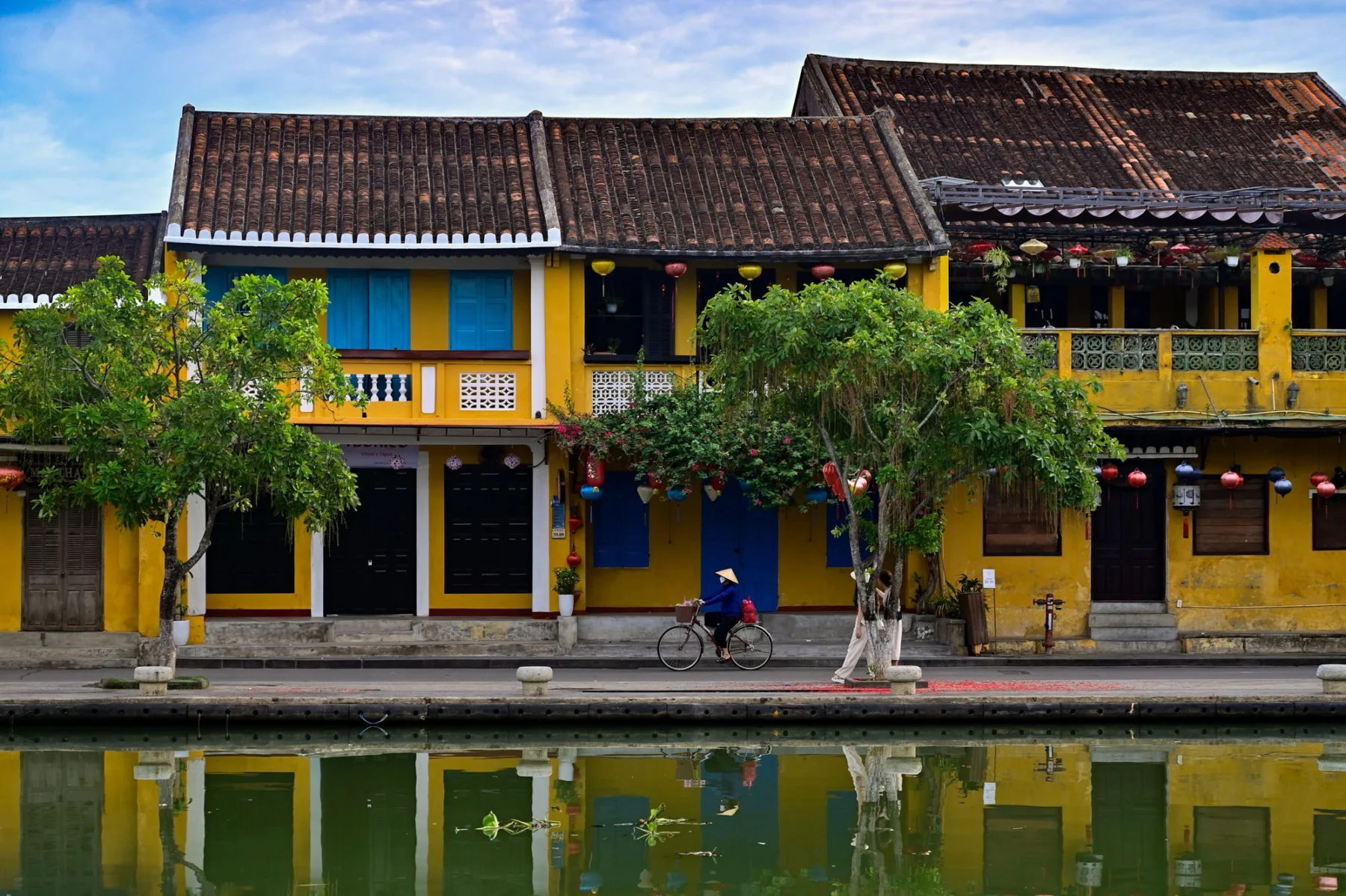
This Hoi An itinerary gives you three full days for the Ancient Town, local food, the countryside and an optional visit to My Son Sanctuary. Stay in one hotel, explore the historic center on foot and leave room for a long lunch or a beach afternoon.
The plan: Day 1 in the Ancient Town → Day 2 around Tra Que and An Bang Beach → Day 3 at My Son, or a slower day in Hoi An. Arrive the evening before Day 1. That means three hotel nights if leaving late on Day 3, or four if departing the following morning.
The route suits first-time visitors who want more than a quick lantern photograph. If your three days include flights, use the shorter version below rather than squeezing every stop around airport transfers. Journey times and activity lengths are planning estimates; check dated opening information and weather before booking.
How many days do you need in Hoi An?
Two full days work for the Ancient Town plus one countryside or beach outing. Three give you space for My Son or another unhurried day without losing your evenings in town. Choose a longer stay if tailoring, several cooking experiences or beach time are priorities. The useful distinction is full sightseeing days versus nights on a hotel booking.
| Day | Main plan | What to keep flexible |
|---|---|---|
| 1 | Japanese Covered Bridge area, heritage buildings, market and lantern-lit streets | How many ticketed interiors you visit |
| 2 | Tra Que cooking experience or village visit; An Bang Beach | Beach time, depending on conditions and class duration |
| 3 | My Son excursion or a relaxed local day | Departure time and any tailor fittings |
For a longer trip, our 14-day Vietnam itinerary includes four nights in Hoi An. Its arrival day, two activity days and flexible day can accommodate much of this guide, subject to flight times. Keep the transfer day light rather than treating four nights as four uninterrupted sightseeing days.
Day 1: Ancient Town, heritage buildings and lanterns
Start early enough to see the streets before the busiest part of the day. Walk toward the Japanese Covered Bridge, then follow Tran Phu toward the assembly halls and market area. The aim is a connected route through the historic center, with selected interiors and time to notice the shopfronts.
Morning: Buy the right heritage ticket
Use an official ticket booth and ask which monuments your ticket covers. The Hoi An conservation center’s January 2026 announcement lists a VND 120,000 ticket covering the town landscape, a choice of Japanese Covered Bridge or Quan Cong Temple, one museum and three other monuments. It also describes cultural activities at scheduled times. Confirm the current structure and any eligibility rules at purchase.
Keep the ticket with you. Do not assume that a riverboat trip, cooking class or commercial evening show is included. Choose the bridge, a museum and two or three other interiors that interest you; you do not have to use every admission in a single morning. Opening arrangements and ceremonies may affect individual buildings.
A manageable combination is the Japanese Covered Bridge, Tan Ky Old House and Phuc Kien Assembly Hall, provided the latter two are available under your ticket. Allow about two and a half to three hours including short walks and a drink stop. Look for explanations of merchant life, family worship and trade rather than treating every building as another photograph.
Afternoon: Market, food and a proper break
Continue toward the central market for lunch or choose a nearby restaurant with clear prices. Cao lau, with noodles, pork and greens, is a useful local dish to look for; ask about ingredients and substitutions if needed. The Vietnam tourism board’s food guide introduces regional dishes without requiring you to follow one fixed restaurant list.
Return to your hotel or an indoor café during the hottest part of the afternoon. Later, finish one remaining heritage visit or browse the streets west of the bridge. If you want custom clothing, discuss it on this first day: agree the fabric, total price, number of fittings and collection time before paying a deposit. Do not assume every garment can be completed overnight.
Evening: See the town after dark

Return to the riverfront as the lanterns come on, then cross toward An Hoi for the evening market if you enjoy a busier atmosphere. Allow around two hours for a short walk and dinner. Lanterns are part of the regular evening scene; a monthly festival is a separate occasion, so do not book around an unverified festival date.
A short boat ride is optional. Before boarding, agree the full price, number of passengers, duration, boarding point and life-jacket provision. Skip it if conditions or crowding make you uncomfortable. The riverside walk remains worthwhile without buying a ride or releasing a floating lantern.
Day 2: Tra Que, local food and An Bang Beach
Spend today north of the Ancient Town rather than combining several distant excursions. A cooking experience around Tra Que can introduce you to the area’s vegetable gardens and food; a shorter village visit leaves more time at the beach. Pick one version before booking.
Morning: Choose a cooking class or village visit
The national tourism board’s Tra Que village guide provides background on its farming traditions. For a cooking class, check whether the advertised duration includes pickup, a market visit, garden time and lunch. A half-day activity can occupy most of the morning and part of the afternoon; avoid scheduling another timed tour immediately afterward.
Ask the operator about dietary requirements before paying, especially when fish sauce, seafood, peanuts or shared preparation areas are involved. A good fit is more important than the longest list of inclusions. If you prefer independent travel, arrange a short village visit and lunch, staying on permitted paths and asking before entering cultivated plots or photographing people closely.
You can use a car transfer instead of cycling. If choosing a bicycle, check brakes, lights, helmet availability and the actual route. Rural scenery does not mean the roads are free of traffic. Avoid cycling in poor visibility or heavy rain, and do not make a scooter rental necessary to follow this itinerary.
Afternoon: An Bang Beach, if conditions suit
After lunch, head toward An Bang for a relaxed afternoon. From central Hoi An, allow roughly 15–30 minutes by car each way as a flexible planning allowance, depending on the exact pickup and traffic. If a cooking class finishes late, shorten the beach stop rather than rushing the meal.
Choose somewhere to sit and confirm any charge or minimum order before using a lounger. Swimming is optional: follow flags, lifeguard instructions and local warnings, and stay out when the sea is rough. A beach photograph from a calm day tells you nothing about conditions on your visit.
If it rains, replace the beach with a café, a remaining museum visit or a hotel break after checking opening times. Return to town for dinner, or eat near the beach after arranging your journey back. Keep the evening flexible enough for a tailor fitting if you ordered clothing on Day 1.
Day 3: My Son Sanctuary or a slower day in Hoi An
Choose My Son if Cham history and archaeological sites interest you. It is an excursion outside Hoi An, not another neighborhood of the Ancient Town. If you mainly want food, shopping and time by the water, use the local alternative below without feeling you have missed a compulsory stop.
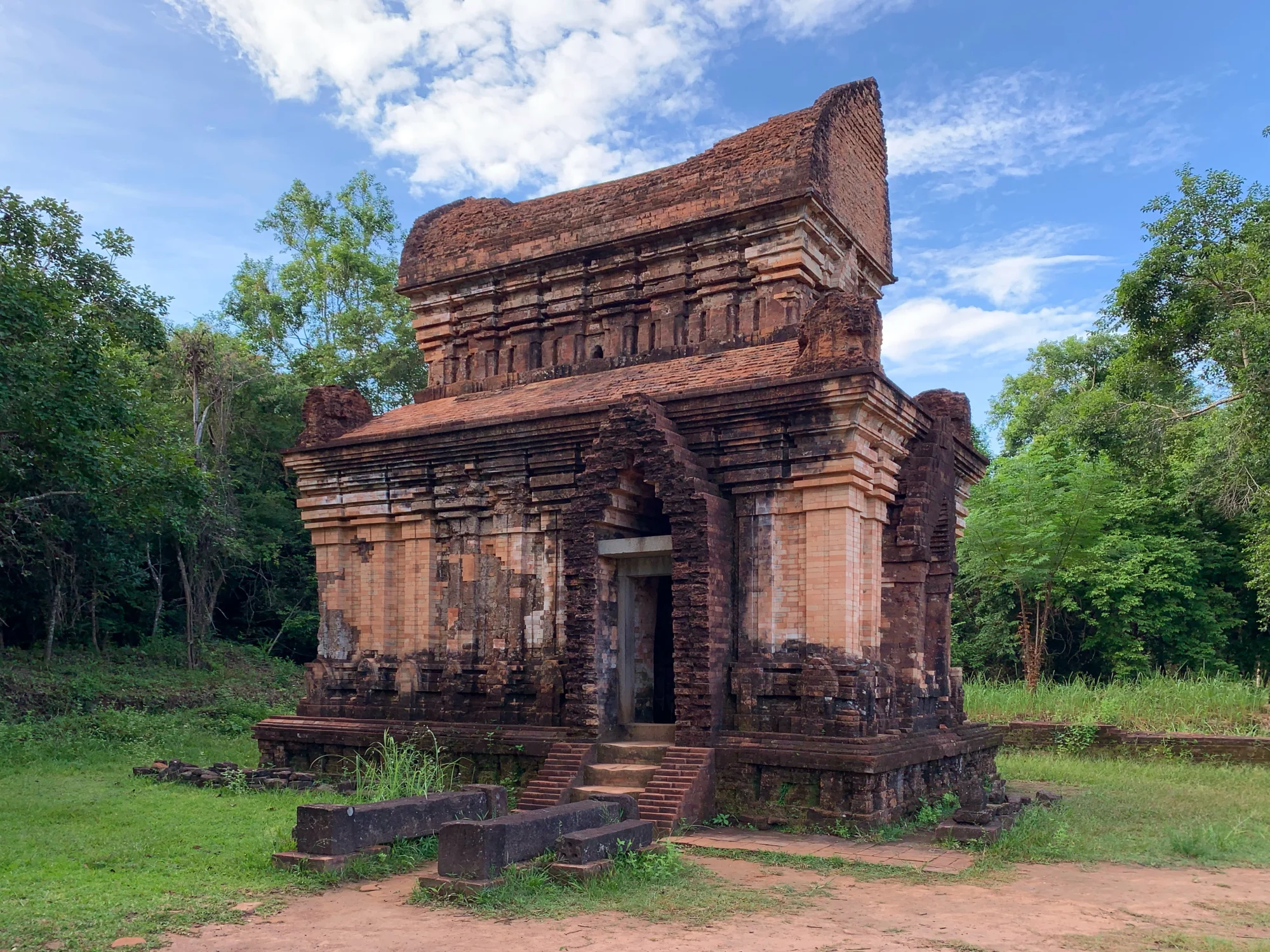
Option A: A morning at My Son
UNESCO’s My Son overview explains the site’s importance as a collection of tower-temples associated with the Champa civilization. Reading a little background before going makes the surviving structures more meaningful. A guide can help distinguish different groups and explain what has been conserved.
Provisionally allow 60–90 minutes by road each way and around two to three hours for the site, plus time for ticketing and any internal transport. A complete outing therefore needs roughly five to six hours, with longer allowances for a shared tour that collects passengers or adds a boat journey. Verify the current opening time before choosing an early departure.
Compare the actual tour inclusions: entrance, guide, pickup area, internal shuttle where applicable, food and return method. A cheap headline price may exclude admission. Wear shoes suitable for uneven paths, bring water and sun or rain protection, and follow marked routes and conservation barriers.
Return to Hoi An for lunch or a late lunch and a rest. Leave the afternoon for a final fitting, a short walk or packing. Do not add Marble Mountains, Ba Na Hills and an airport departure to the same day. If you must fly tonight, allow a generous transfer buffer or choose the local option instead.
Option B: Stay local and slow down
Have breakfast in town, visit a heritage interior you missed and take a long lunch. Use the afternoon for an agreed fitting, another cooking or craft activity, or a beach return if conditions are better than yesterday. Reserve only one main activity. If leaving this evening, confirm luggage storage and the transfer pickup point before checking out.
Getting to Hoi An and choosing a base
From Da Nang: Da Nang International Airport is the usual flight gateway for this route. Hoi An does not have its own airport; rail arrivals also require an onward road transfer from Da Nang. Check your terminal, train station or hotel pickup address rather than booking a service simply labeled “Da Nang.”
Allow approximately 45–75 minutes between Da Nang Airport and a central Hoi An hotel as a provisional road-transfer range, with extra time for disruption. Immigration and luggage collection are additional on arrival. For departure, work backward from the airline’s requirements and add time for the drive and vehicle pickup. Compare a prearranged hotel transfer, licensed taxi or app-booked car; confirm the total fare and any waiting charges.
Near the Ancient Town: the easiest choice for this itinerary if evening walks and returning to your room between outings matter most. Check recent reviews for noise and the walking route from the property. Pedestrian restrictions can affect where a car can collect you; ask the hotel for a precise meeting point.
Cam Chau or Cam Pho: compare individual properties for a quieter setting and access to town. A district name does not guarantee a short walk. An Bang: better if the beach is your main priority, but budget for journeys into the Ancient Town. This route works from either base if you account for those transfers.
A sample three-day Hoi An budget
This worked example is a planning exercise in Vietnamese dong (VND), not a claim about average prices or live hotel quotes. It assumes two adults sharing one room for three nights, arrival before Day 1 and departure late on Day 3. Replace each allowance with prices for your dates.
| Category | Per-person calculation | Allowance |
|---|---|---|
| Accommodation | VND 1,200,000 per room × 3 nights ÷ 2 | VND 1,800,000 |
| Food and drinks | VND 400,000 × 3 days | VND 1,200,000 |
| Airport and local transport | Shared transfers and local rides; provisional | VND 800,000 |
| Ancient Town ticket | Listed VND 120,000 product; verify at purchase | VND 120,000 |
| Cooking experience | Illustrative allowance; check meal inclusions | VND 800,000 |
| My Son outing | Illustrative combined transport, guide and entrance allowance | VND 900,000 |
| Subtotal | VND 5,620,000 |
Adding 15% contingency gives VND 6,463,000 per person. Flights, entry-related costs, insurance, tailoring, shopping, boat rides and premium shows are excluded. The food allowance remains conservative even if a class includes lunch. If skipping My Son, remove its allowance; add another hotel night if departing the following morning. Solo travelers need to recalculate room and transfer costs.
If you only have two days, or arrive on Day 1
Two full days: follow Day 1, then choose between Day 2’s food-and-beach plan and Day 3’s My Son excursion. Keep evenings in town. Do not stack a full cooking class, My Son and a beach visit into one day merely to retain every item.
Three calendar days including flights: keep Day 1 to check-in and an evening walk. Use Day 2 for heritage visits and food. On Day 3, choose a short local outing if departure allows it. My Son requires a separate, reliably available block of time; an early flight means airport travel only.
Weather: the national tourism board’s climate guide flags central Vietnam’s wetter, storm-prone period beginning around September. Dates alone do not predict a particular day. Check local notices before road excursions, cycling, boat trips or swimming, and follow instructions if flooding or severe weather affects access.
Frequently asked questions
Should I stay in Hoi An or Da Nang?
Stay in Hoi An for this Ancient Town-focused itinerary, especially if you want several evenings there. Da Nang may suit a different trip centered on its city and beaches, but repeated journeys back and forth use time. Decide on the activities first and choose the base that reduces unnecessary transfers.
Do I need to visit on the full moon?
No. You can enjoy lantern-lit streets on a regular evening. If a particular festival matters to you, confirm the locally published calendar for your dates rather than assuming the lunar date matches a familiar calendar date.
Can I add Ba Na Hills or Marble Mountains?
Add another day or replace one of the planned outings. They are not part of the core route here. A stop during an airport transfer requires agreeing luggage arrangements, vehicle waiting time and the flight buffer beforehand.
How does this connect with Hanoi?
Our 3-day Hanoi itinerary covers the northern capital, while the two-week Vietnam guide explains a broader north-to-south route. Allow a separate flight and transfer period between Hanoi and Hoi An via Da Nang; neither guide treats that journey as a full sightseeing day.